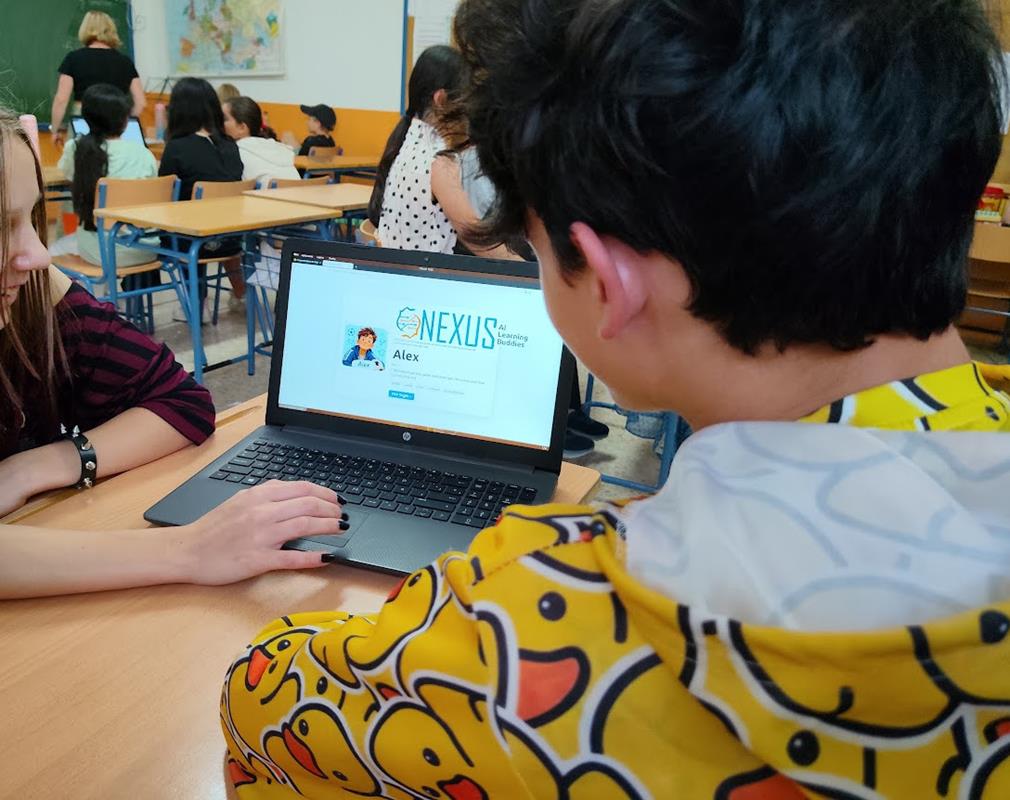
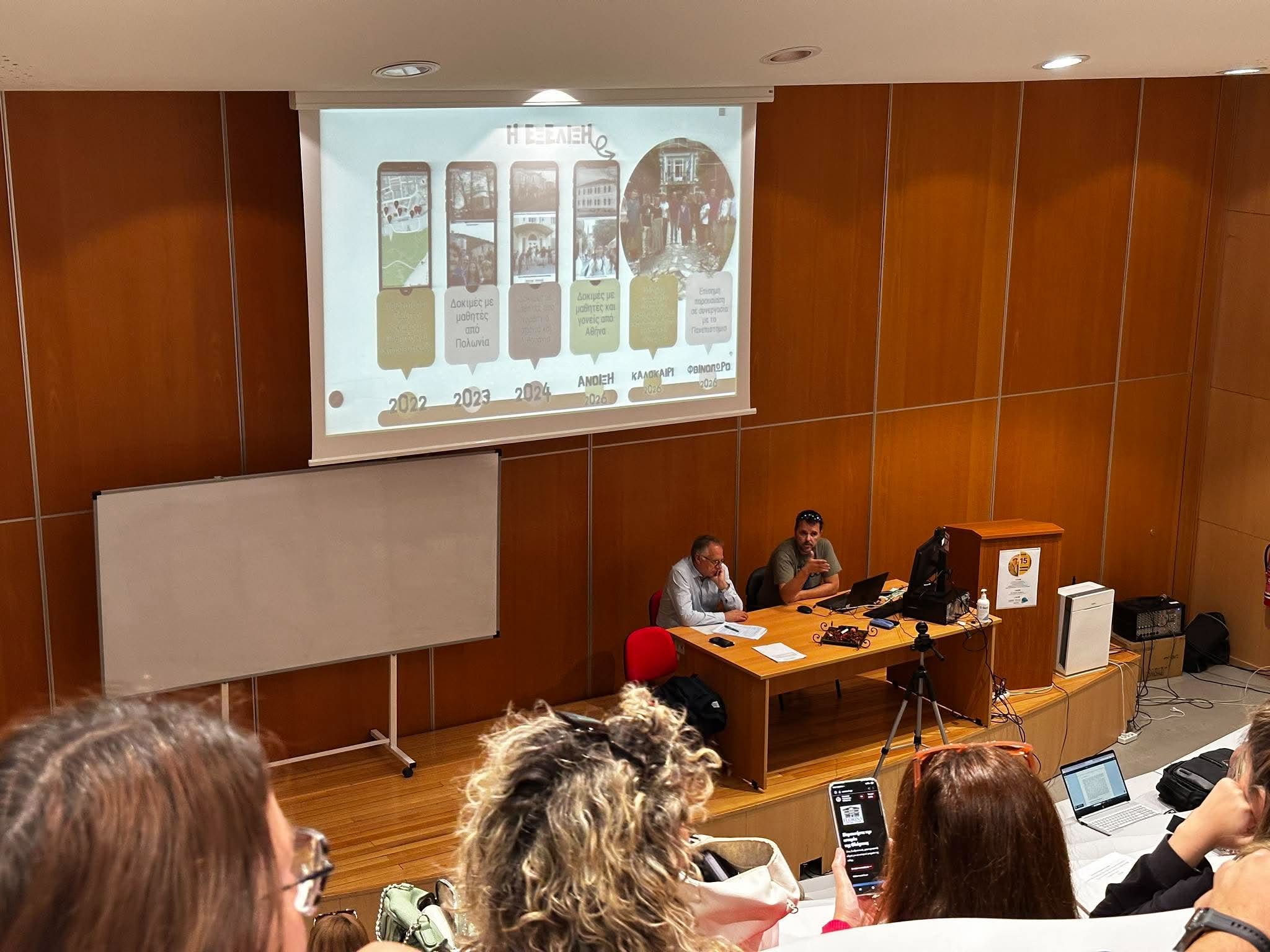
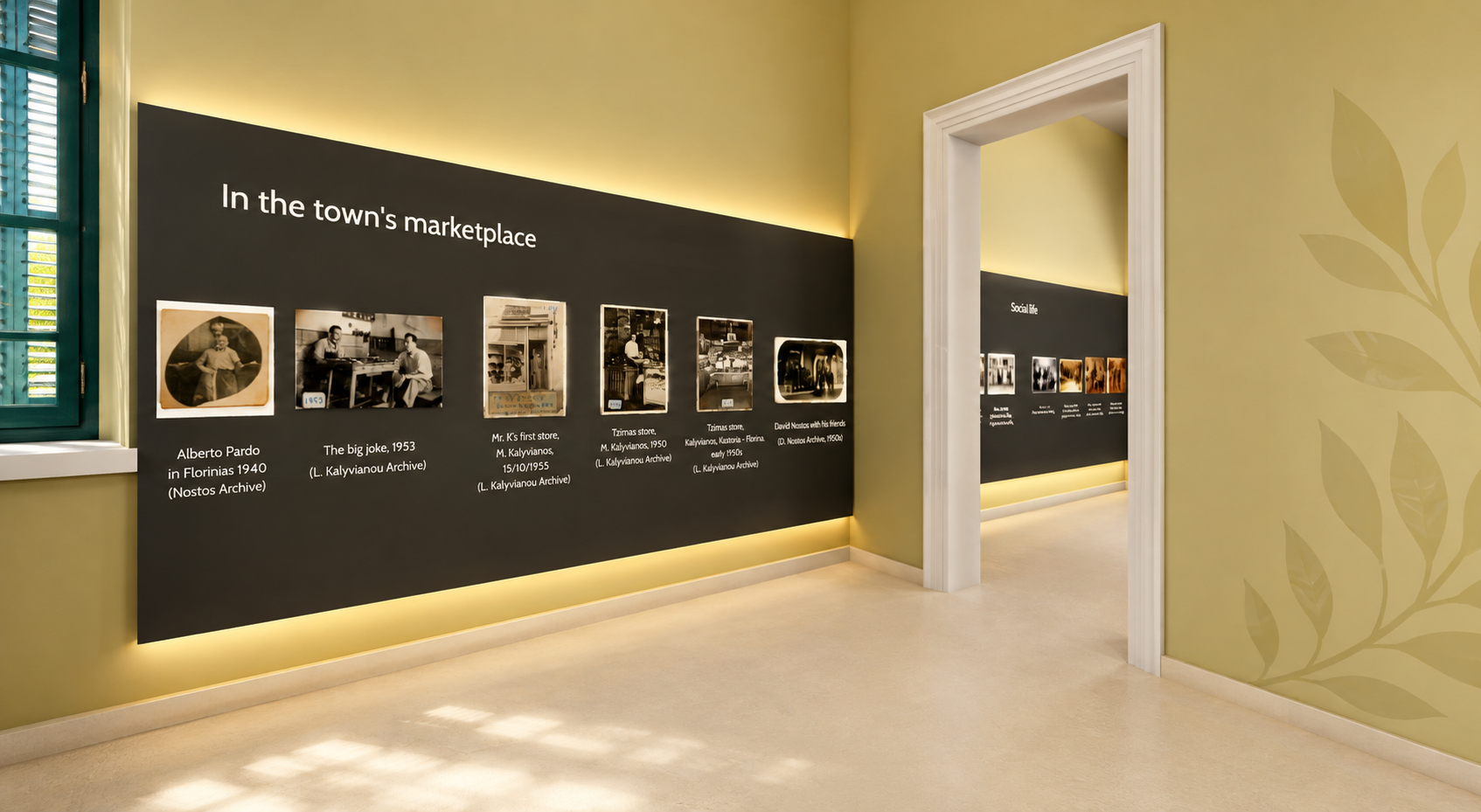
From simple classroom experiments to more thoughtful and creative use of AI
One of the roles of school is to help children understand the world they live in. Today, this world includes search engines, recommendation systems, translation tools, camera filters, games, voice assistants and large language models that can answer questions, write texts, summarise information or generate ideas.
AI has also entered school life in very practical ways. Many teachers are already using AI to prepare lessons, create materials, adapt activities, generate examples or save time. At the same time, many students are beginning to use AI tools outside school, often without enough guidance on what these systems can and cannot do.
This makes AI literacy part of a broader educational responsibility. Children do not only need to learn how to use AI tools. They also need to understand, in simple terms, how these tools work.
This is especially important because AI can feel different from other technologies. Some systems, particularly large language models, can sound confident, fluent and almost human. They can give the impression that they understand, reason or judge in the way people do. But AI systems are trained on data, look for patterns, generate predictions or responses, make mistakes, and do not have human judgement or ethics of their own. Helping children understand this can support more aware, critical and thoughtful use.
Most teachers are not computer scientists or AI specialists, and they do not need to be. What they need are approachable ways to help children see how AI works in practice. Teacher-friendly platforms and simple classroom experiments can make basic ideas visible: how a system is trained, how it recognises patterns, why it sometimes makes mistakes, and why human judgement still matters.
This is already becoming possible through platforms that many teachers can use without advanced technical knowledge. Code.org, for example, has been developing AI and computer science learning resources for different age groups, including younger students. Its materials do not present AI only as an advanced technical topic, but as something children can begin to explore through simple, guided activities.
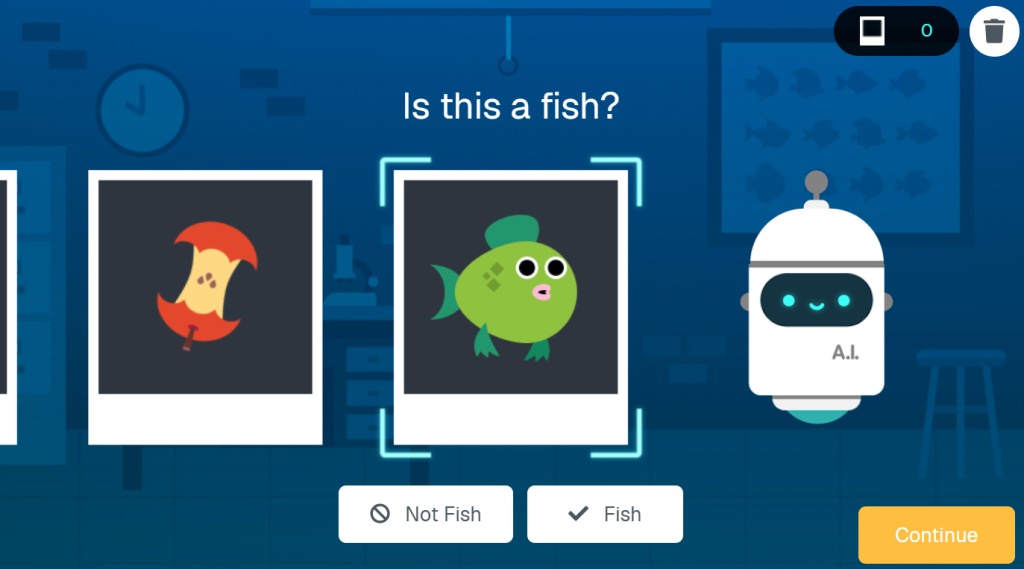
One example is AI for Oceans, an introductory activity in which students train a machine learning model to identify sea creatures and trash in the ocean. By labelling examples and then testing how the model responds to new images, students can begin to see how training data, classification, prediction and error are connected. The activity also creates space for discussion: a model depends on the examples it is given, and those examples can shape what it learns to recognise.
While activities like AI for Oceans offer a simple and guided introduction, tools such as Google’s Teachable Machine bring children one step closer to how machine learning actually works. Learners can train small models using their own images, sounds or poses, without writing code. They collect examples, train the model, test it, and quickly see that the result depends on the data they have provided.
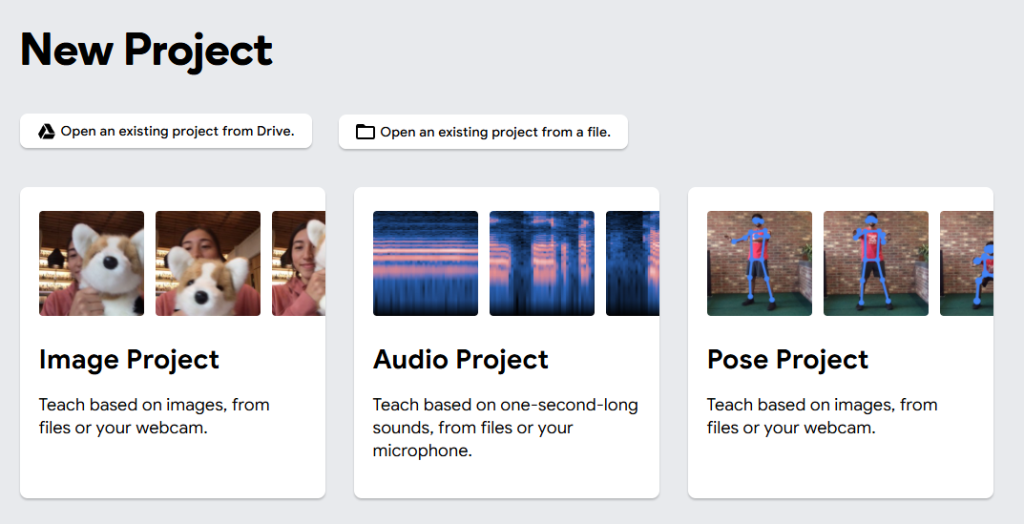
This is where the discussion becomes real for children. They can observe that a model may work well in one situation and fail in another. They can notice what happens when the examples are too few, too similar, badly framed or not diverse enough. They can also begin to discuss more difficult questions. What does it mean to train a model to recognise categories? Who decides the categories? Are all categories appropriate? Could we train a model to separate “beautiful” from “ugly” toys, and what would be wrong with that?
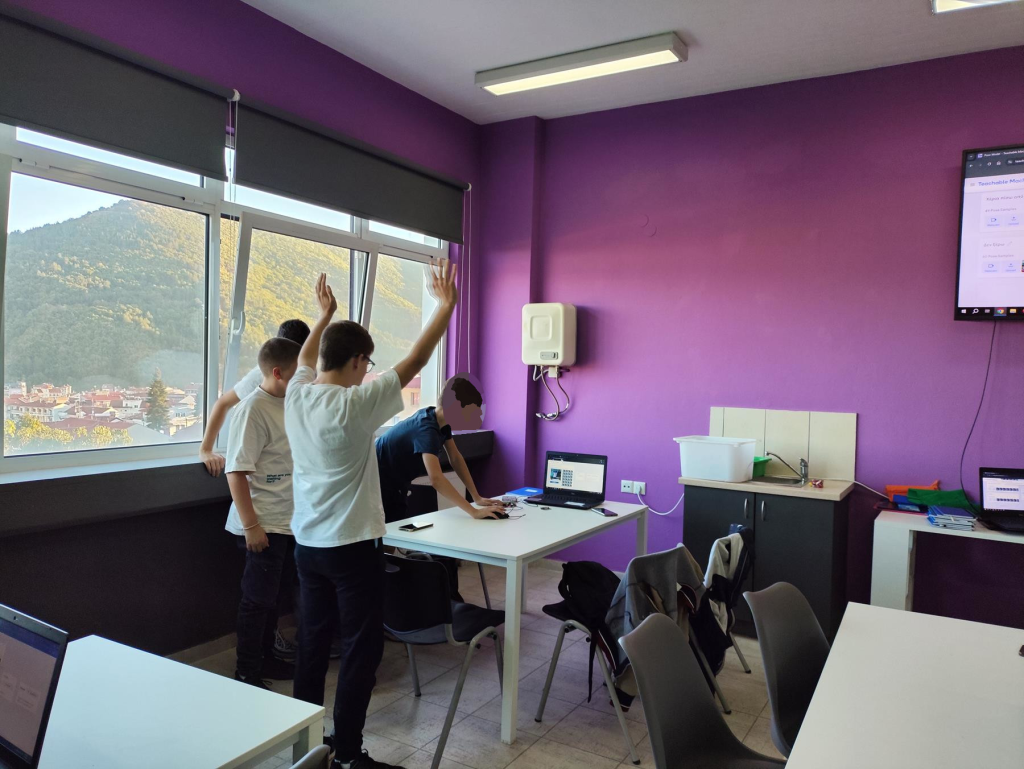
In this way, AI literacy becomes more than a technical explanation. It becomes a way to talk about data, decisions, mistakes, values and responsibility.
From there, AI can also become part of creative work. In school-based STEAM and robotics activities, we have used recognition technologies not only as technical demonstrations, but as starting points for small interactive projects. Students experimented with systems that recognise faces, expressions, body points and movement, and then began to think about what they could create with them.
This kind of work becomes more meaningful when the projects connect with the children’s own world. For primary school students, for example, the idea of designing AI-based movement games for parks and playgrounds is not abstract. It connects AI with play, movement, public space and places they know. In this case, AI is not simply a tool that gives an answer. It becomes part of a designed experience involving movement, space, rules, interaction, users and play.
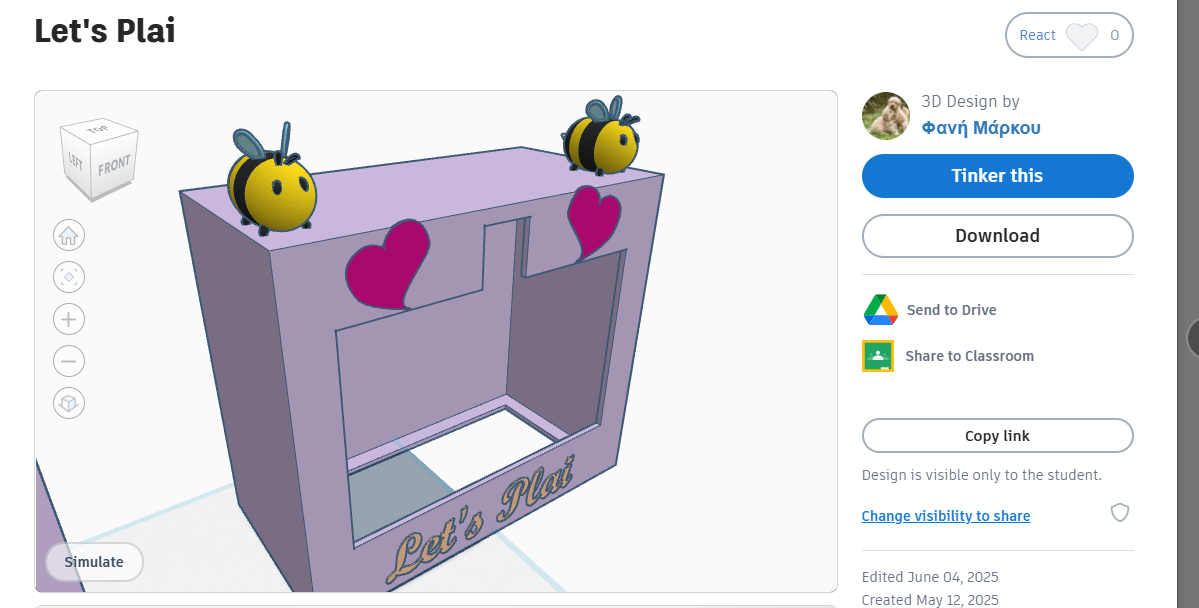
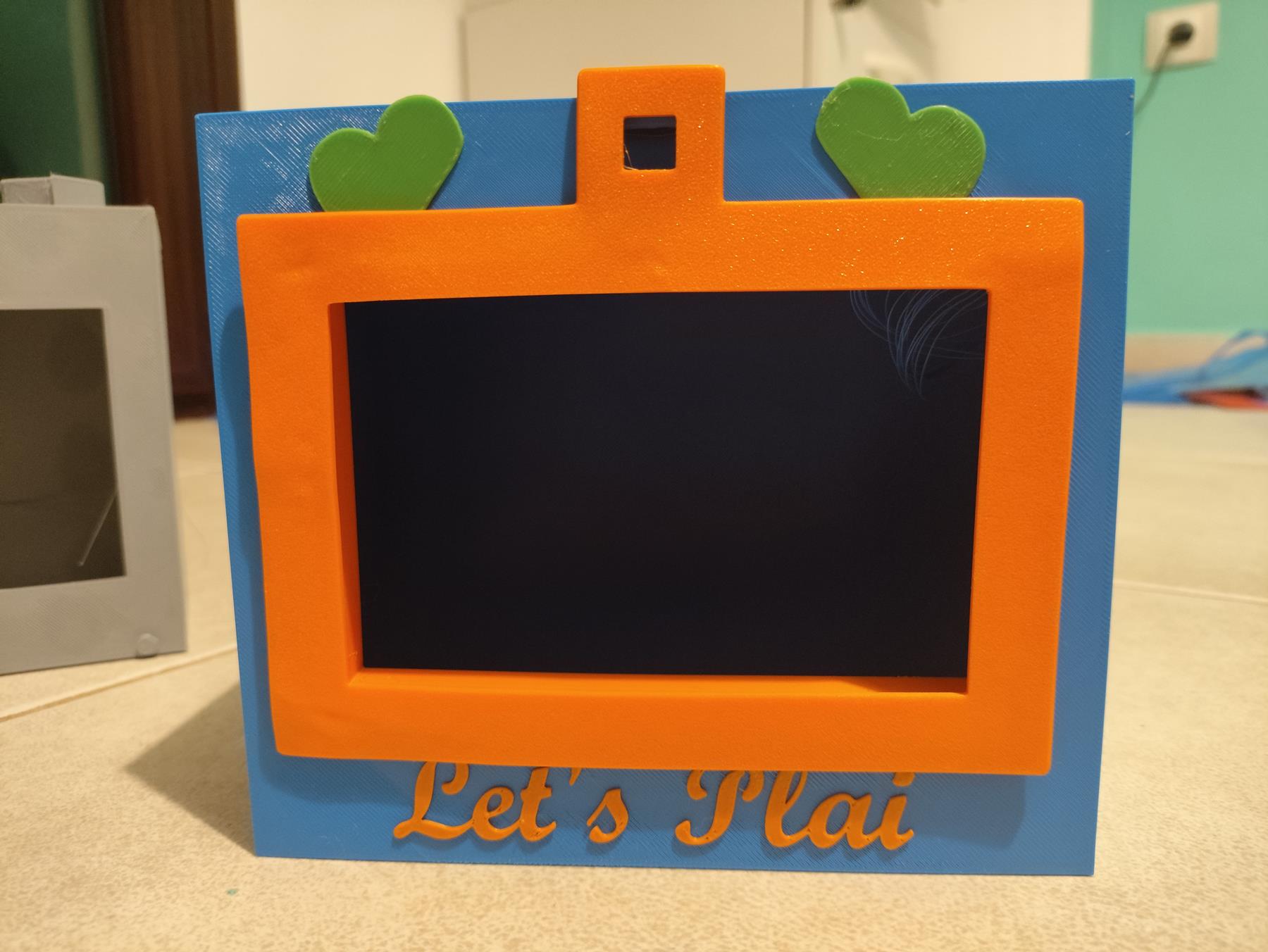
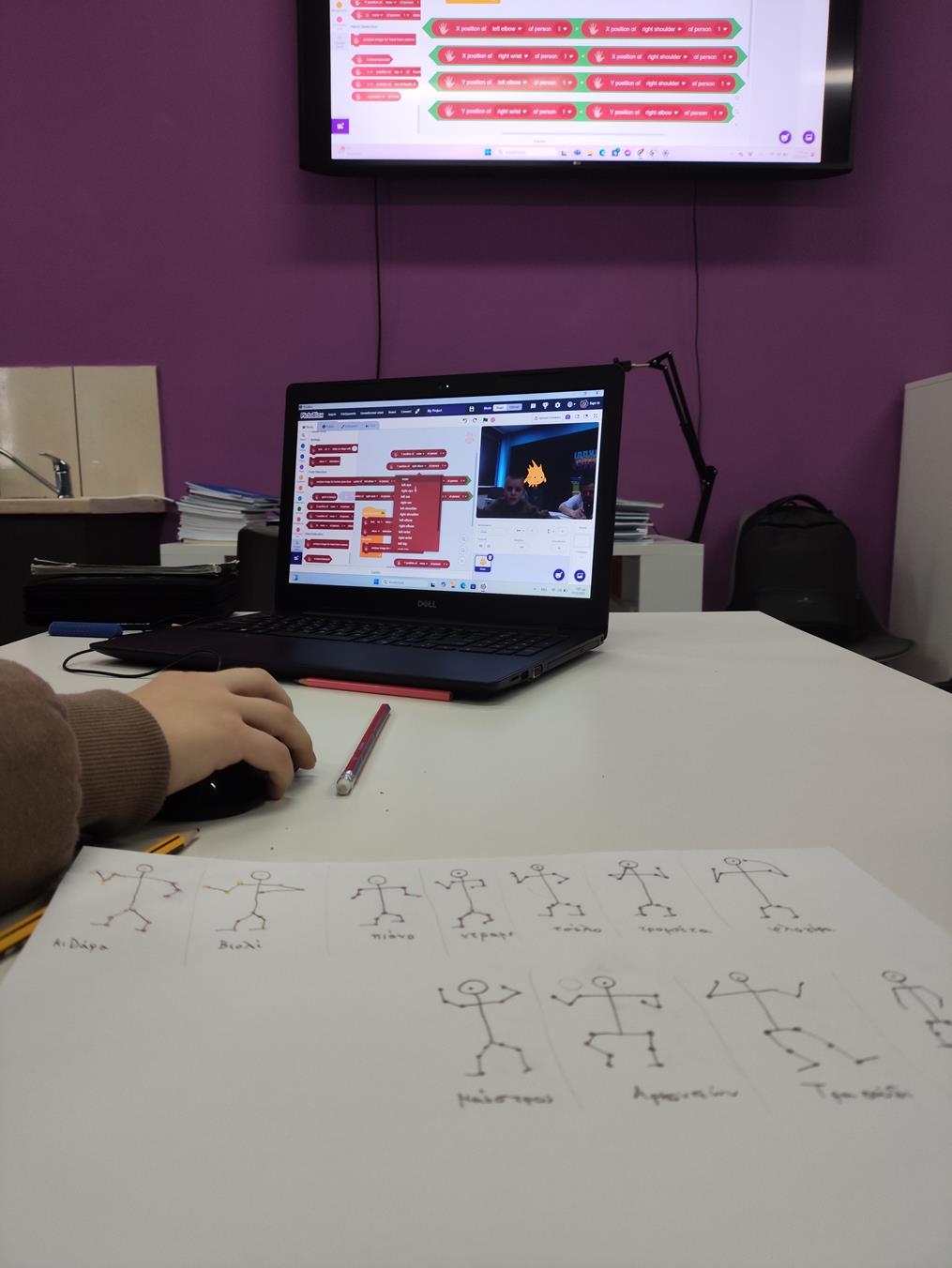
At that point, children are no longer just trying an AI tool. They are thinking about what they could design with it, who it is for, what it should recognise, what might happen if it makes a mistake, and how the experience can be meaningful, safe and fair.
For teachers, this keeps AI literacy manageable. It does not require every classroom to become a technical lab. It requires well-designed learning moments where children can explore, test, question and discuss AI.
When children understand how AI works, even at a basic level, they gain agency: they can question it, test it, use it more thoughtfully and recognise that human judgement still matters.
This is also part of a wider line of work for NEXUS Innovation. In our Erasmus+ KA2 projects, including AICC – From Interaction to Co-Creation: AI’s Role in the Classroom and AI and Creativity in Schools, we are working with European partners on how AI can support creativity, hands-on learning, ethical reflection and responsible classroom practice.
The same thinking informs our Erasmus+ course AI for Educators: Practical, Creative and Responsible AI for Teaching and Learning. The course gives educators space to explore practical AI literacy activities for children, responsible AI use in schools and classroom-ready learning experiences that move beyond tools and prompts.
Responsible AI education does not start with the perfect tool. It starts with better questions.