

AI for Educators: Practical, Creative and Responsible AI for Teaching and Learning
Duration 5 days
25 learning hours
Participants
8-20
Language
English
Course fee
€400
Suitable for Erasmus+
KA1 staff mobility
Location
Florina, Greece
Pre-registration is free. No payment is required before the course edition is officially confirmed.
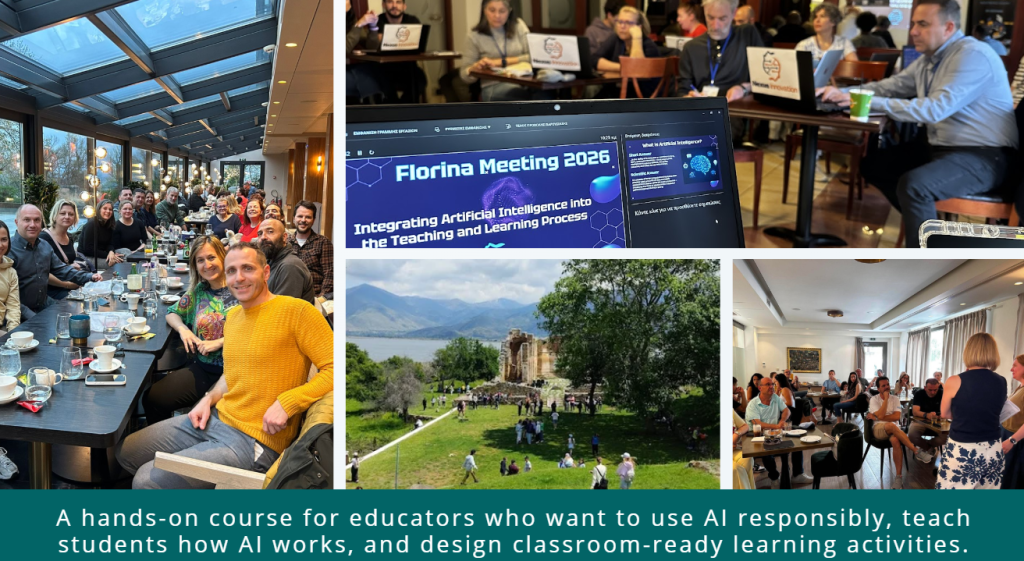
Course Overview
Artificial Intelligence is transforming the way teachers prepare lessons, create materials, support students and design learning activities. AI tools can save time, open new creative possibilities and support more differentiated teaching, but they also raise important questions:
How can teachers use AI in ways that are practical, creative, responsible and pedagogically meaningful?
This course takes a balanced approach. Instead of focusing only on individual AI tools or ready-made prompts, it explores how educators can use AI with clear pedagogical purpose, critical understanding and awareness of ethical, legal and school policy considerations.
Throughout the week, participants work with practical classroom scenarios, source-based materials, AI literacy activities, Design Thinking challenges and field-based learning experiences. They explore how AI can support lesson planning, teaching materials, differentiation, assessment support, student creativity and teacher productivity.
The course also focuses on helping children understand how AI works. Participants design age-appropriate activities that introduce basic concepts such as data, training, classification, prediction, bias and human judgement, using tools such as Teachable Machine, Code.org and PictoBlox.
A distinctive element of the course is the Prespes Field Learning Lab. Participants experience Prespes National Park as a natural, cultural and historical learning landscape, collect photos, notes, questions and stories, and later use AI tools to transform this authentic field material into place-based learning activities.
You will not leave with a simple list of AI tools. You will leave with a personal AI Teaching Portfolio, including classroom-ready resources, AI literacy activities, reflection tools and a realistic implementation plan for your own educational setting.
During the course you will:
- explore responsible AI use in schools, including privacy, bias, transparency, authorship, assessment and student protection;
- use AI tools for lesson redesign, source-based teaching materials, differentiation and teacher productivity;
- design age-appropriate AI literacy activities for children;
- explore how AI can support Design Thinking, student creativity and project-based learning;
- transform field experience from Prespes into AI-supported place-based learning activities;
- develop a personal AI Teaching Portfolio and a 30-day implementation plan.
Course Structure
The course is organised around five connected modules
Participants reflect on their existing perceptions of AI and explore how different countries and schools are responding to its use. The module focuses on privacy, bias, transparency, authorship, assessment, student protection, and responsible implementation.
Participants explore practical AI tools for everyday teaching work, including lesson redesign, source-based material creation, differentiated resources, quizzes, rubrics, feedback drafts, presentations, and teacher productivity.
Participants design age-appropriate activities that help students understand basic AI concepts such as data, training, classification, prediction, errors, bias and human judgement, using tools such as Teachable Machine, Code.org and PictoBlox.
Participants examine how AI can support creative, project-based and student-centred learning. The module introduces AI as a “design buddy” for empathy mapping, problem definition, idea generation, prototyping, storytelling and feedback, always within school policy and national regulations.
Through the Prespes Field Learning Lab, participants collect authentic field material and use it as the basis for designing AI-supported learning activities that can be adapted to their own local and school contexts.
Daily Schedule
The course includes 25 hours of structured learning activities.
Daily learning sessions usually take place from 10:00–13:00 and 14:00–16:00.
Lunch break: 13:00–14:00
Coffee breaks are provided throughout the learning sessions.
Cultural and networking activities may take place after the formal learning programme and are designed to support intercultural exchange and community building.
Participants begin with welcome activities and an “AI & Me” discussion. They explore key AI concepts, opportunities and limitations, and work with case studies showing how different countries and schools are responding to AI.
Workshop: Create a Responsible AI Use Map for their own school context.
Main output: Responsible AI Use Map.
Participants explore practical AI tools for lesson planning, source-based material creation, differentiation, assessment support and teacher productivity.
Workshops: “Rescue and Redesign a Lesson” and create teaching material from selected sources.
Main output: Redesigned lesson and source-based teaching material pack.
Participants explore why AI literacy matters for children and how to introduce concepts such as data, training, classification, prediction, errors and bias through hands-on activities.
They also examine how AI can support student creativity and Design Thinking through policy-sensitive models, from teacher-led demonstrations to supervised student use where permitted.
Workshops: Design a mini AI literacy activity and a responsible AI-supported learning activity.
Main output: Mini AI literacy activity for children and responsible AI-supported learning activity.
Participants experience Prespes National Park as a natural, cultural and historical learning landscape. Through guided observation and documentation tasks, they collect photos, short videos, notes, questions, stories and impressions.
The focus is on observing and understanding the place first. The collected material will be used on Day 5 to design AI-supported place-based learning activities.
Workshop: Field observation and documentation using the Field Learning Pack.
Main output: Prespes Field Documentation Pack.
Participants review and organise the work completed during the week into a personal AI Teaching Portfolio. They use AI tools to transform their Prespes field material into place-based learning activities adapted to their own school or local environment.
The course closes with peer feedback, final presentations, reflection, evaluation and certificates.
Workshop: Portfolio building and 30-day implementation planning.
Main output: AI Teaching Portfolio and 30-day implementation plan.
Final Participant Portfolio
By the end of the course, participants will have developed a personal AI Teaching Portfolio with practical resources, classroom activities and implementation ideas that can be adapted to their own educational context.
The portfolio may include:
- a Responsible AI Use Map;
- a redesigned AI-supported lesson;
- source-based teaching materials;
- a mini AI literacy activity for children;
- a responsible AI-supported Design Thinking or project-based learning activity;
- a Prespes Field Documentation Pack;
- an AI-supported place-based learning activity;
- a responsible AI checklist;
- a 30-day school implementation plan.
The portfolio is designed to help participants return to their schools with concrete, classroom-ready outputs rather than only general knowledge about AI tools.
Venues & Equipment
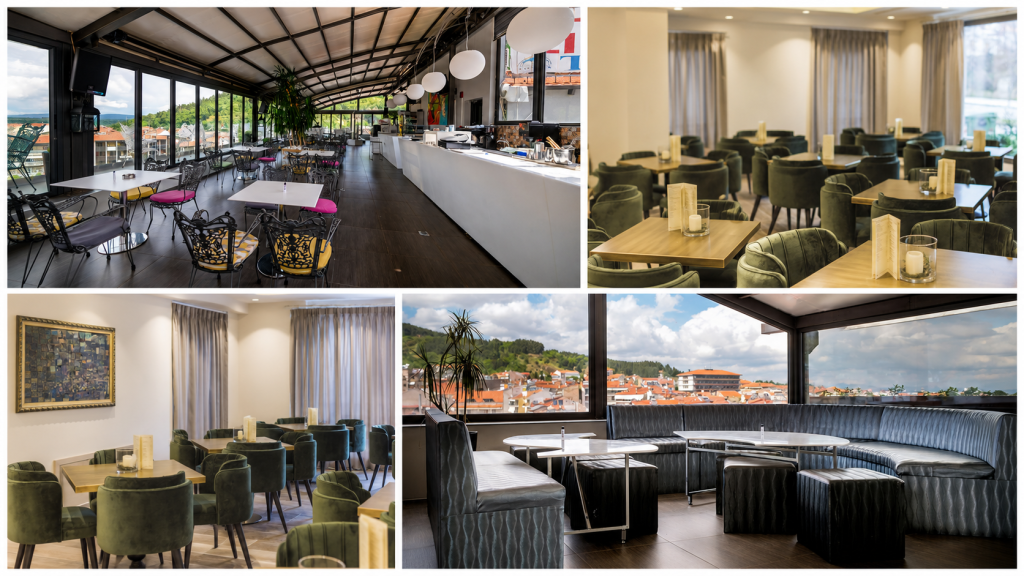
The course is delivered in carefully selected training venues in Florina. Depending on the number of participants and venue availability, workshops take place either at Emerald Suites Hotel or Lingos Hotel.
Both venues provide a comfortable and welcoming environment for professional learning, hands-on workshops, group work and informal exchange among participants.
Our training venues are selected to support an effective learning experience, including:
- high-speed WiFi for hands-on AI activities and online tools;
- presentation screen or projector for demonstrations and group discussions;
- power access for laptops and devices;
- comfortable seating and workspace for individual, pair and group work;
- a friendly atmosphere that supports interaction, reflection and collaboration.
Participants are encouraged to bring their own laptops, as the course includes hands-on activities with AI tools, source-based materials, image-based tasks and portfolio development.
When needed, a limited number of shared laptops may be provided for pair or group work. Guidance on accessing and using the selected AI tools and platforms is provided throughout the course.
The final venue is confirmed before each course edition to ensure the best learning environment for the group size and planned activities.
Prespes Field Learning Lab Explore, Discover & Experience
Prespes is not just a destination we visit during the course. It becomes a living learning environment.
During the Field Learning Lab, participants observe the landscape, collect their own photos and notes, listen to stories, reflect on the natural, cultural and historical setting, and later use AI tools to transform this lived experience into meaningful classroom activities.
The aim is to show how a place can become a starting point for environmental education, history, geography, citizenship, storytelling, STEAM and project-based learning.

A landscape where nature becomes a classroom
Prespes National Park offers a rich natural environment for environmental education, outdoor learning and observation-based activities.
A place where history leaves visible traces
Prespes carries layers of history, memory and cultural heritage and becomes a starting point for history, citizenship, geography, language and arts activities

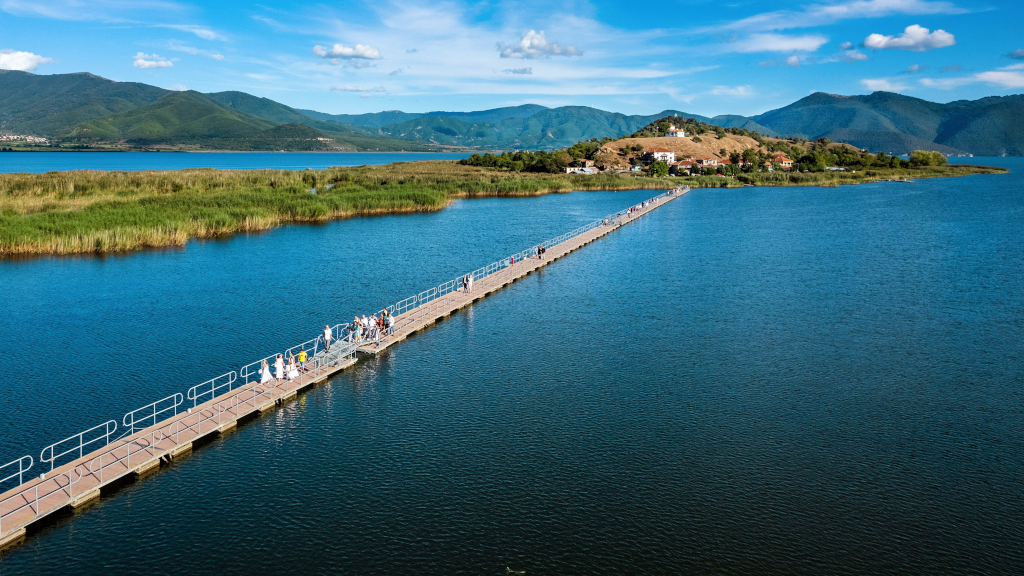
A borderland that invites intercultural reflection
Located near the borders of Greece, Albania and North Macedonia, Prespes offers a unique setting for discussing borders, identities, cooperation and shared landscapes.
A living community, not just a beautiful view
The field visit also focuses on everyday life: villages, food, local work, stories and human presence in the landscape.
Cultural and Networking activities
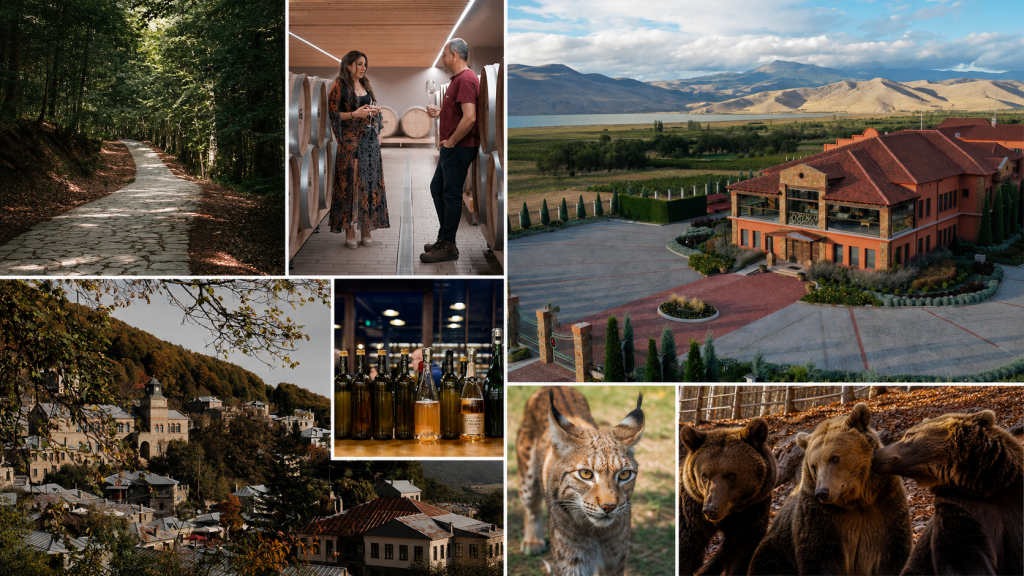
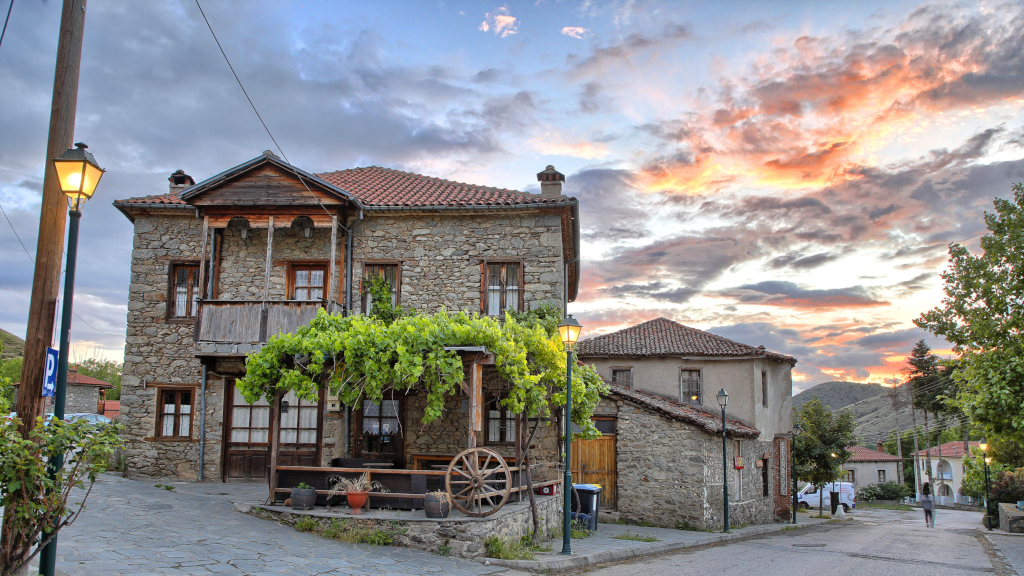
In addition to the structured learning programme, the course may include optional cultural and networking activities after the formal training sessions, such as visits to Nymfaio, the Arcturos bear sanctuary and the Amyntaio wine region.
These activities are designed to support intercultural exchange, informal discussion and community building among participants, while allowing them to experience the wider cultural and natural environment of the Florina region.
Cultural and networking activities are complementary to the course and do not replace the 25 hours of structured learning activities.
Cost & What’s Included
Course fee
- 25 hours of structured learning activities
- Hands-on workshops and group activities
- Training materials, templates and digital resources
- Field Learning Pack for the Prespes Field Learning Lab
- Support for the development of the participant’s AI Teaching Portfolio
- Certificate of Attendance
- Europass Mobility documentation (where applicable)
Local Field and Catering Package
- Five working lunches
- Coffee breaks throughout the course
- Local transport for the Prespes Field Learning Lab
- The final amount is confirmed together with the official course confirmation, as transport costs may vary depending on the final number of participants.
Optional Cultural Activities
- Local transport to Nymfaio, Arcturos and Amyntaio wineries
- Entrance fees for all venues
- Visit to local wineries
- Coordination of the cultural and networking activity
Not Included
- International travel to Greece and Florina
- Accommodation
- Dinners
- Personal expenses
- Optional cultural or networking activities, unless specified
Discover Florina A Hidden Gem in Northern Greece
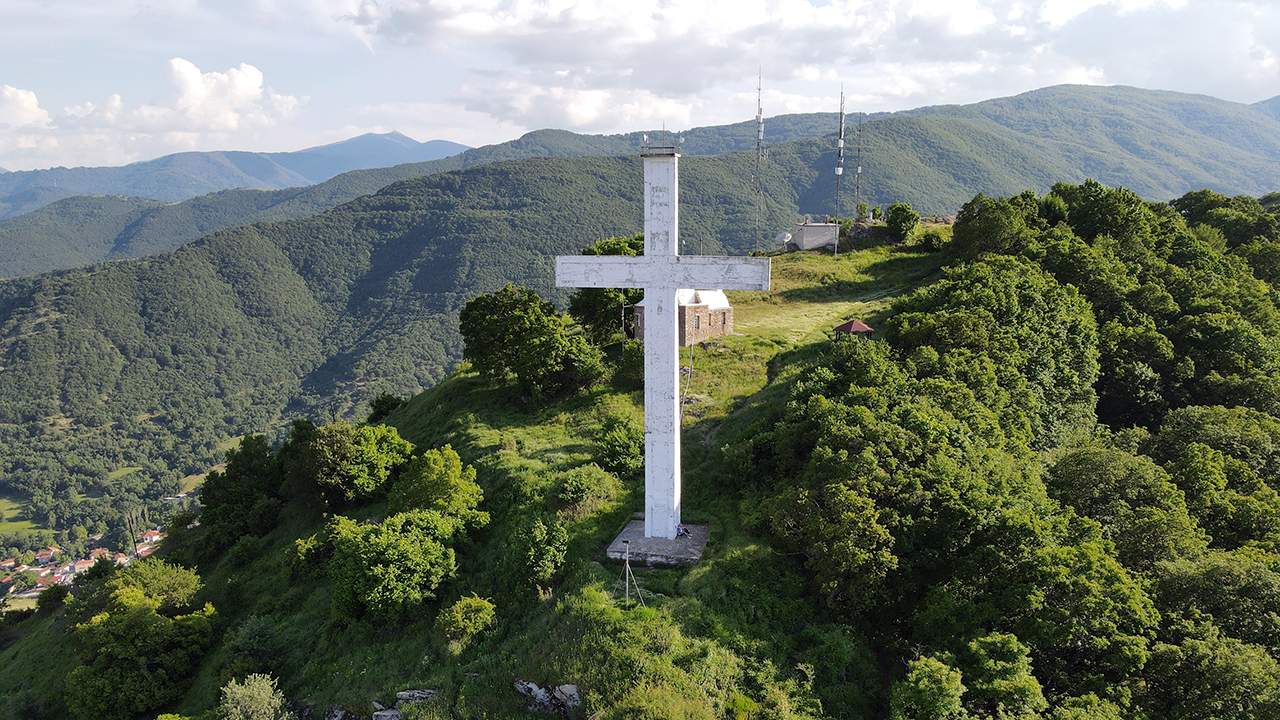
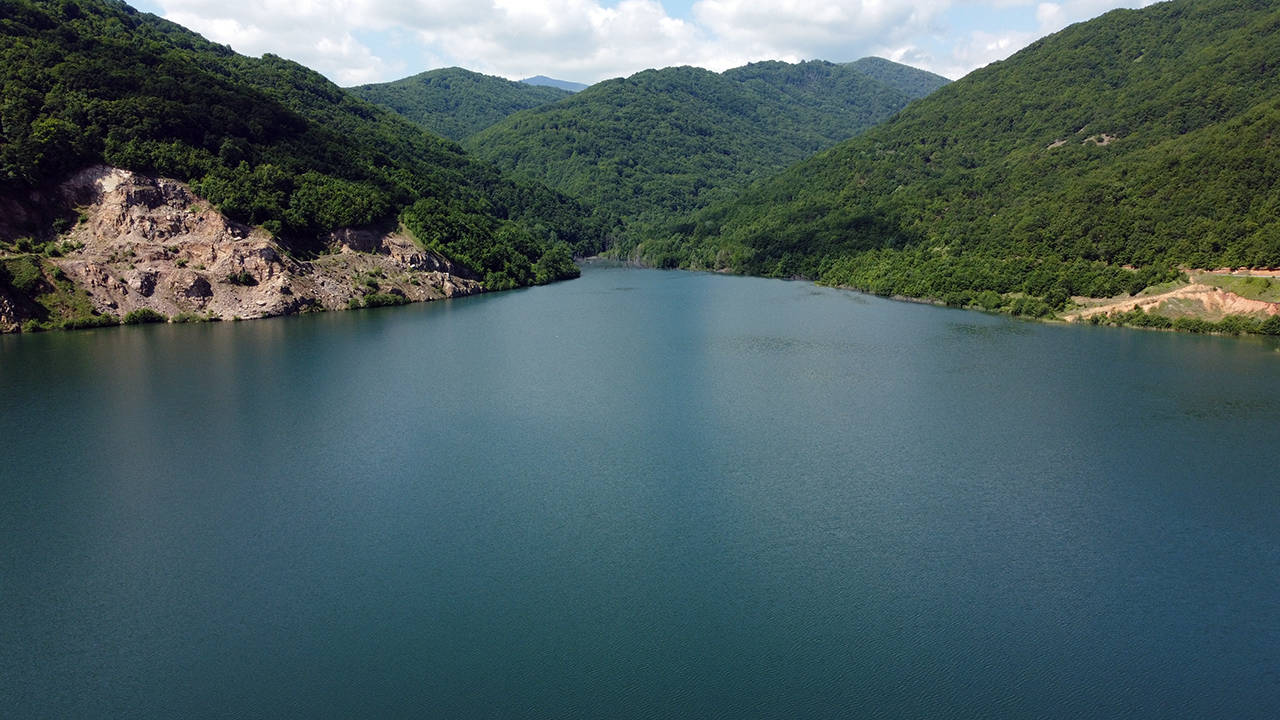
Nestled in the mountains of Western Macedonia, Florina is a small, calm and welcoming town with a distinctive cultural and artistic character. Known for its riverside promenade, traditional architecture, surrounding landscapes and creative atmosphere, Florina offers an ideal setting for a focused and reflective training week.
Its size makes it easy for participants to move around, meet informally after the sessions and experience the local atmosphere during their stay. The town combines nature, culture and everyday life in a way that supports both professional learning and intercultural exchange.




Most international participants reach Florina through Thessaloniki, the nearest major international airport. From Thessaloniki, travel to Florina can be arranged by public transport or transfer options, depending on participants’ arrival times and group needs.
Accommodation is not included in the course fee. However, NEXUS Innovation can suggest hotels and accommodation options close to the training venue, so that participants can choose what best fits their needs and Erasmus+ budget.
Once a course edition is officially confirmed, registered participants receive a practical information pack with guidance on travel, accommodation, local transport, the training venue, the Prespes Field Learning Lab and optional cultural activities.
Participants should not book flights or accommodation before receiving the official confirmation of the course edition.
FAQ
Yes. The course has been specifically designed for Erasmus+ KA1 Staff Mobility and follows the structure expected for professional training activities. Participants receive 25 hours of structured learning, clearly defined learning outcomes, a Certificate of Attendance, and support for Europass Mobility documentation, where applicable.
The tuition fee is €400 per participant for the complete 5-day training programme. The Local Field & Catering Package is listed separately, as its final cost depends on the final number of participants. Full details are available in the Cost & What's Included section.
Each course edition is confirmed once the minimum group size of 8 participants has been reached. We aim to confirm every edition by the published confirmation date, giving participants enough time to arrange travel and accommodation.
No. Please wait until you receive the official course confirmation from NEXUS Innovation before booking flights or accommodation. This ensures that your travel arrangements are made only after the course edition has been confirmed.
If a course edition is not confirmed by NEXUS Innovation, you will not be charged any course fee. If you have already made a payment, you may choose between a full refund or a transfer to another available course edition.
Participants are encouraged to bring their own laptop, as the course includes hands-on work with AI tools, source-based materials, image-based tasks and portfolio development. A limited number of shared laptops may be available for pair or group work if needed.
Participants are encouraged to bring one lesson plan, activity idea or educational material they would like to redesign or improve during the course. More detailed preparation guidance will be included in the practical information pack sent before the course.
Yes. The course is designed for educators who want to understand and use AI in a practical and responsible way. No advanced technical background is required.
No. Participants may have little or no previous experience with AI. The course starts from key concepts and gradually moves to hands-on activities, classroom design and portfolio development.
The course is for educators, not students. Participants will explore different models for using AI in schools, including teacher-only preparation, teacher-led demonstrations and supervised student activities where permitted. The course does not promote unrestricted student use of AI.
The Prespes Field Learning Lab is a structured field-based learning activity. Participants visit Prespes National Park, collect photos, notes, questions and stories, and later use this material to design AI-supported place-based learning activities for their own educational context.
No. Optional cultural and networking activities take place outside the formal 25-hour learning programme. They are designed to support intercultural exchange, informal discussion and community building.
No. Accommodation is arranged individually so that participants can choose the option that best fits their needs and budget.
Once the course edition has been confirmed, NEXUS Innovation provides recommendations for nearby hotels, practical travel information and local guidance to help participants plan their stay in Florina.
Yes. Participants receive a Certificate of Attendance, confirmation of 25 learning hours, a detailed course programme, and their Final Portfolio developed during the course.
Support for Europass Mobility documentation is also provided where applicable.
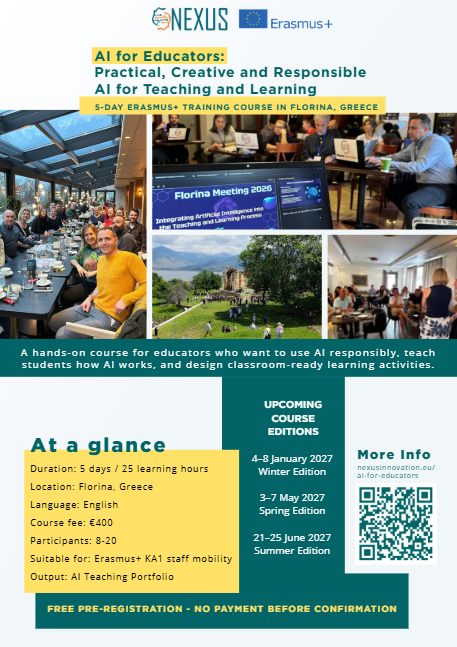
Upcoming Course Editions
Free pre-registration, no payment before confirmation.
-
4–8 January 2027
Winter Edition. Confirmation by 4 November 2026
-
3–7 May 2027
Spring Edition. Confirmation by 3 March 2027
-
21–25 June 2027
Summer Edition. Confirmation by 21 April 2027
Minimum: 8 participants
Ideal group: 12–20 participants
Do not book travel before official confirmation.
How Registration Works
- Submit the free pre-registration form.
- NEXUS will contact you with practical information about the course.
- The course is confirmed once the minimum number of participants has been reached.
- No payment is required before official course confirmation.
- Please book your travel only after receiving the official confirmation email.
Cancellation Policy
Pre-registration is free of charge.
If a course edition is not confirmed by NEXUS Innovation, no course fee is charged. Any payment already made will be fully refunded or transferred to another course edition, according to the participant’s preference.
After official course confirmation:
- More than 4 weeks before the course: Full refund or free transfer to another course edition.
- 2–4 weeks before the course: Transfer where possible, or refund minus €80 administrative costs.
- Less than 2 weeks before the course: Refund cannot be guaranteed, although transfer to another course edition may be offered where possible.
Participant substitutions from the same organisation are accepted before the course starts.
Certificate and Documentation
Participants receive:
- certificate of attendance,
- detailed course programme,
- confirmation of learning hours,
- Europass Mobility support (where applicable).
Trainers
The course is delivered by three experienced educators from the fields of Computer Science, STEAM education, educational robotics and digital learning.
Our trainers are active school educators with many years of classroom experience, extensive involvement in Erasmus+ projects, and strong academic backgrounds, including two PhD candidates and one trainer with postgraduate qualifications.
The training approach is practical, reflective and teacher-to-teacher, connecting real classroom experience with responsible AI use, STEAM pedagogy and European educational collaboration.
Course Goals
- Understand AI concepts, opportunities, risks and ethical challenges in education;
- Use AI for lesson redesign, source-based materials and teacher productivity;
- Design activities that help children understand how AI works
- Introduce concepts such as data, training, prediction, bias and human judgement
- Explore responsible models for AI-supported creativity and Design Thinking
- Transform field experiences into place-based learning activities
- Build an AI Teaching Portfolio and a realistic school implementation plan
Target Audience
- Primary and secondary school teachers
- STEAM, ICT and Computer Science educators
- Teachers interested in project-based learning, Design Thinking and digital creativity
- Special education and inclusion professionals
- School leaders, coordinators and educational decision-makers
- Erasmus+ coordinators and international project teams
- Adult education trainers and teacher trainers
- Instructional designers and educational content developers
- Museum, cultural and environmental educators interested in place-based learning
