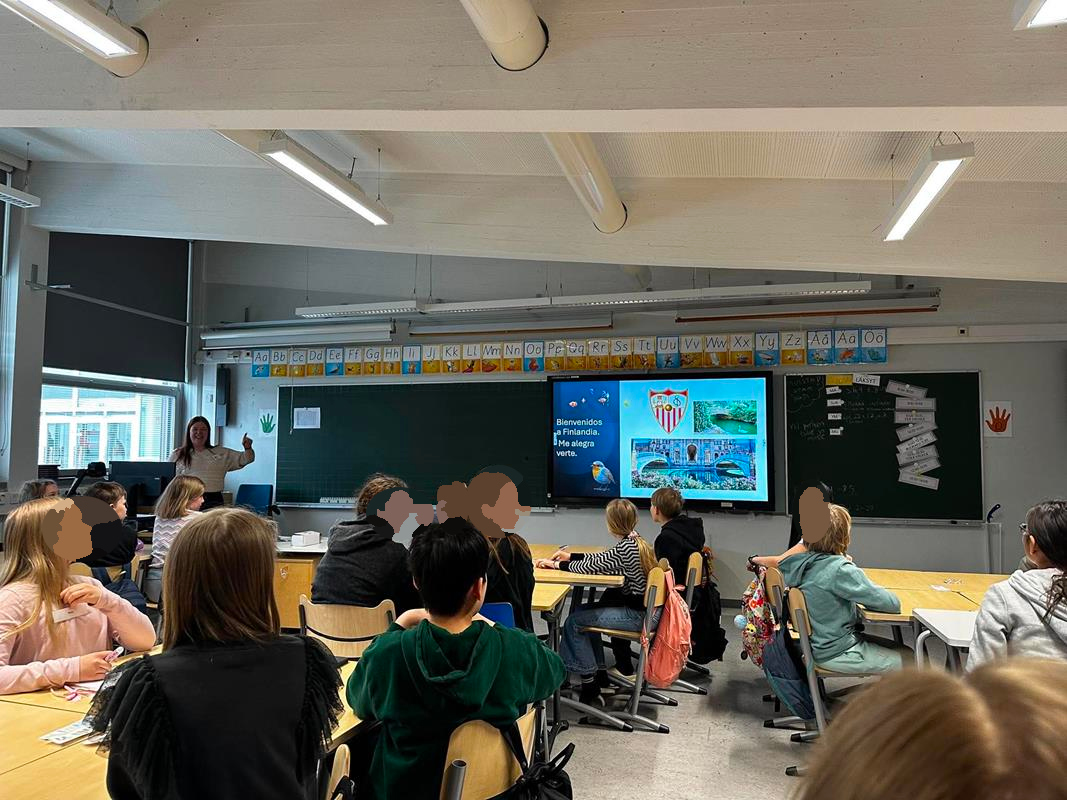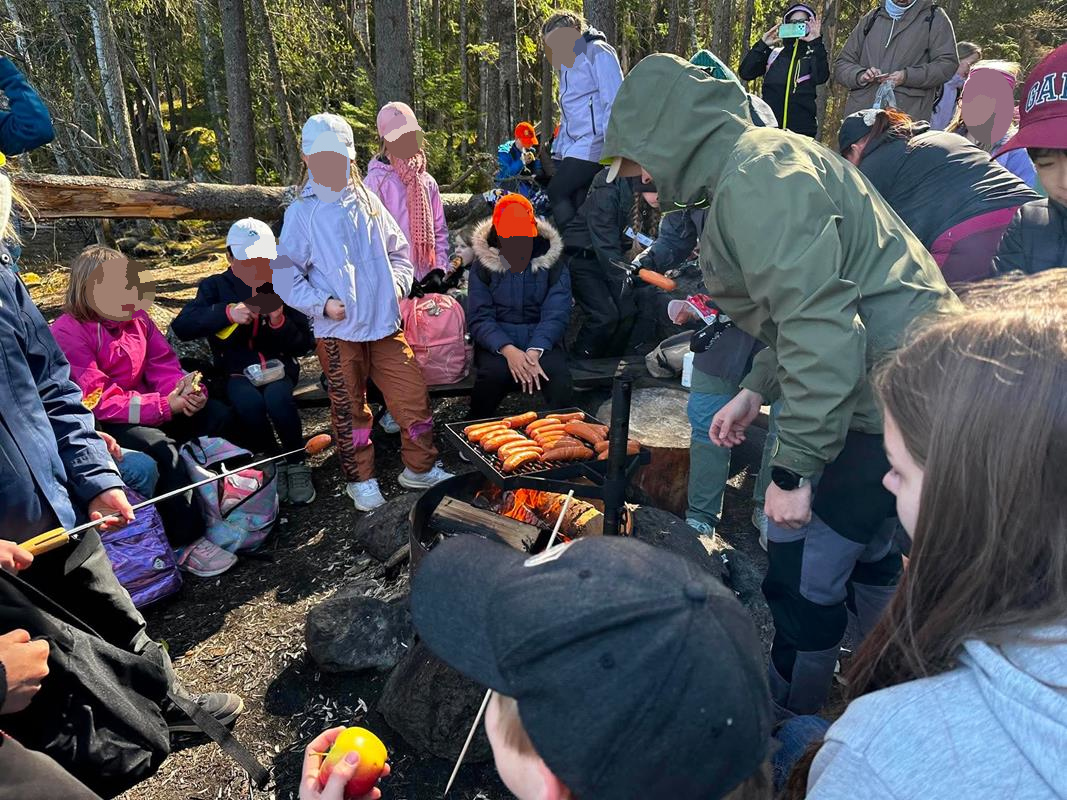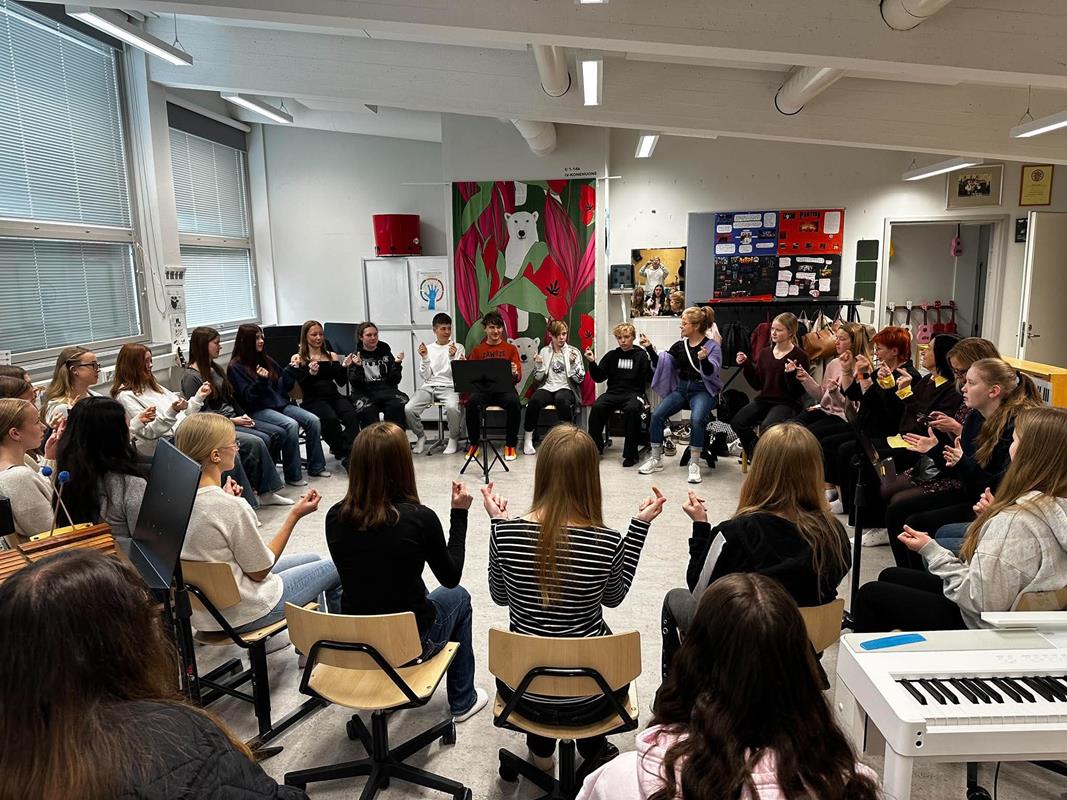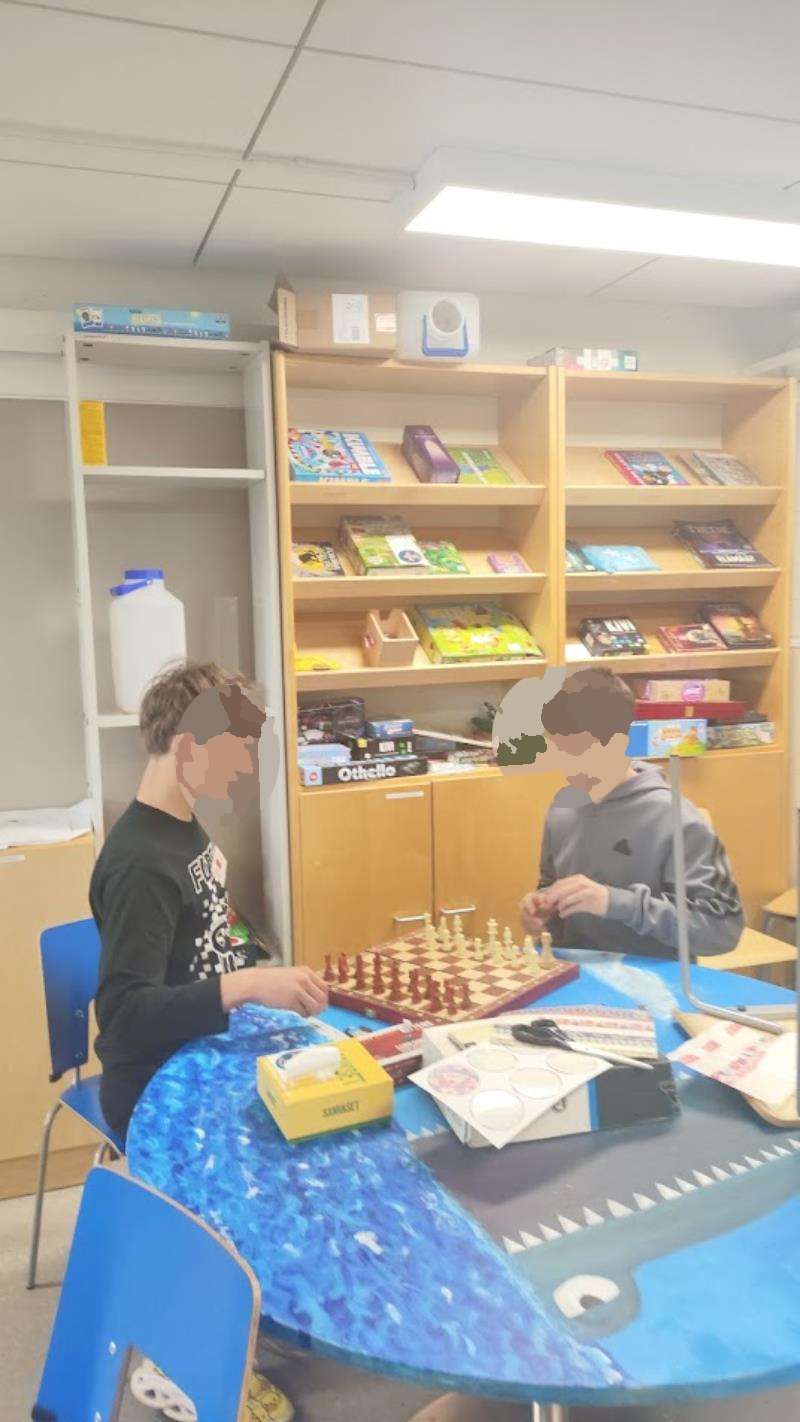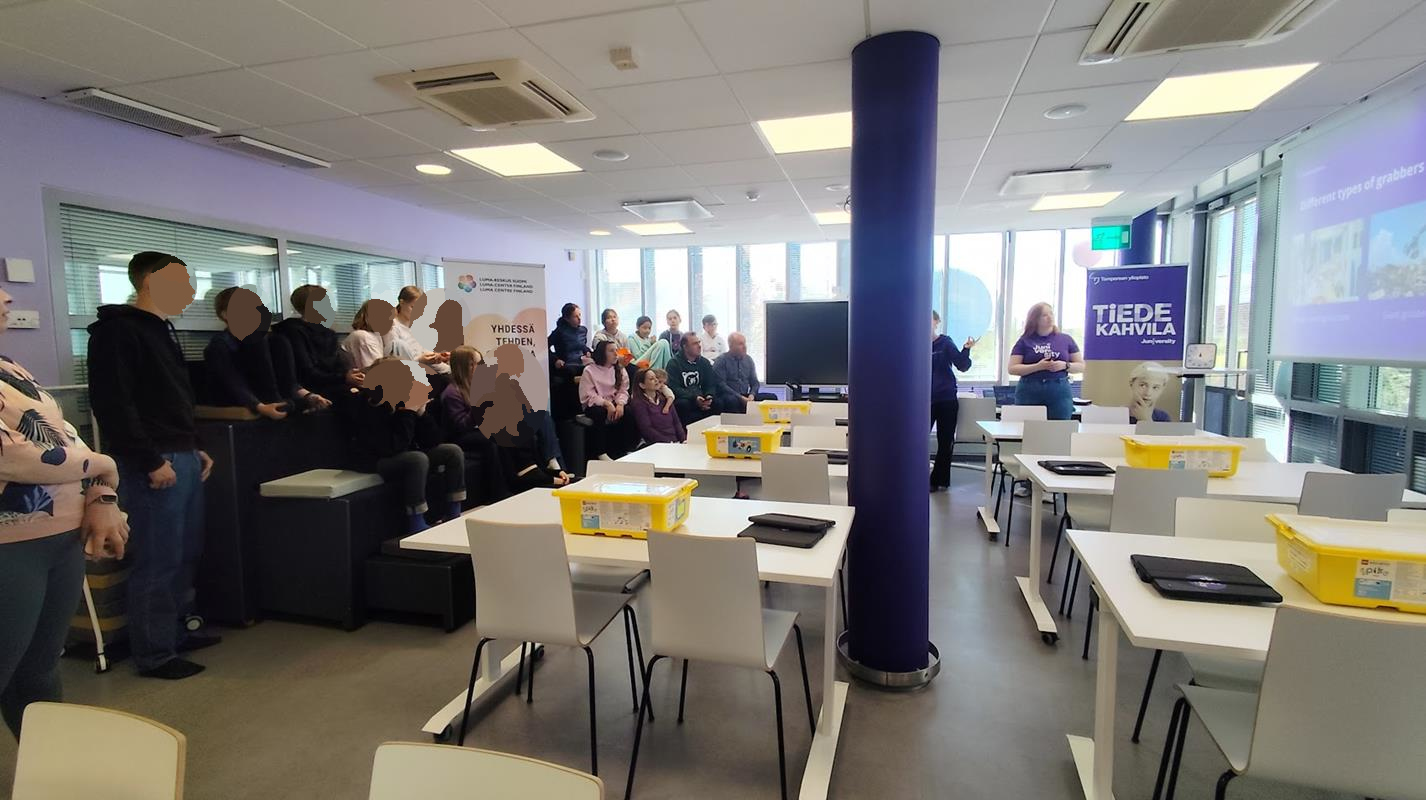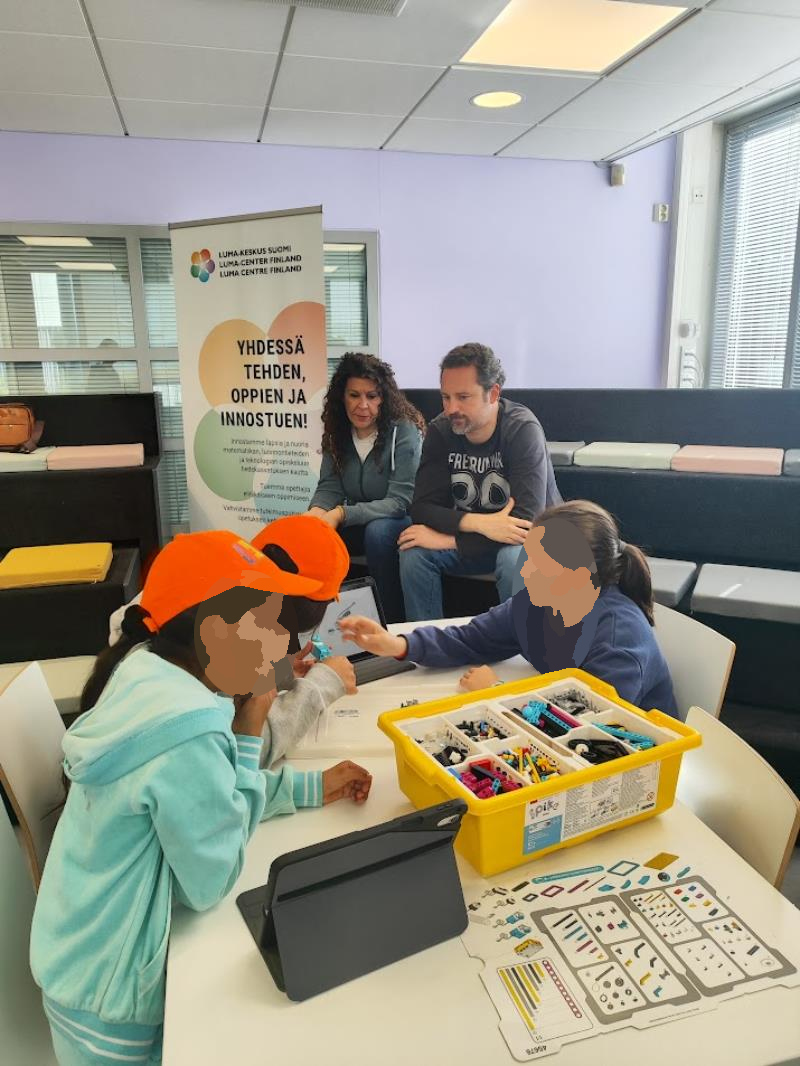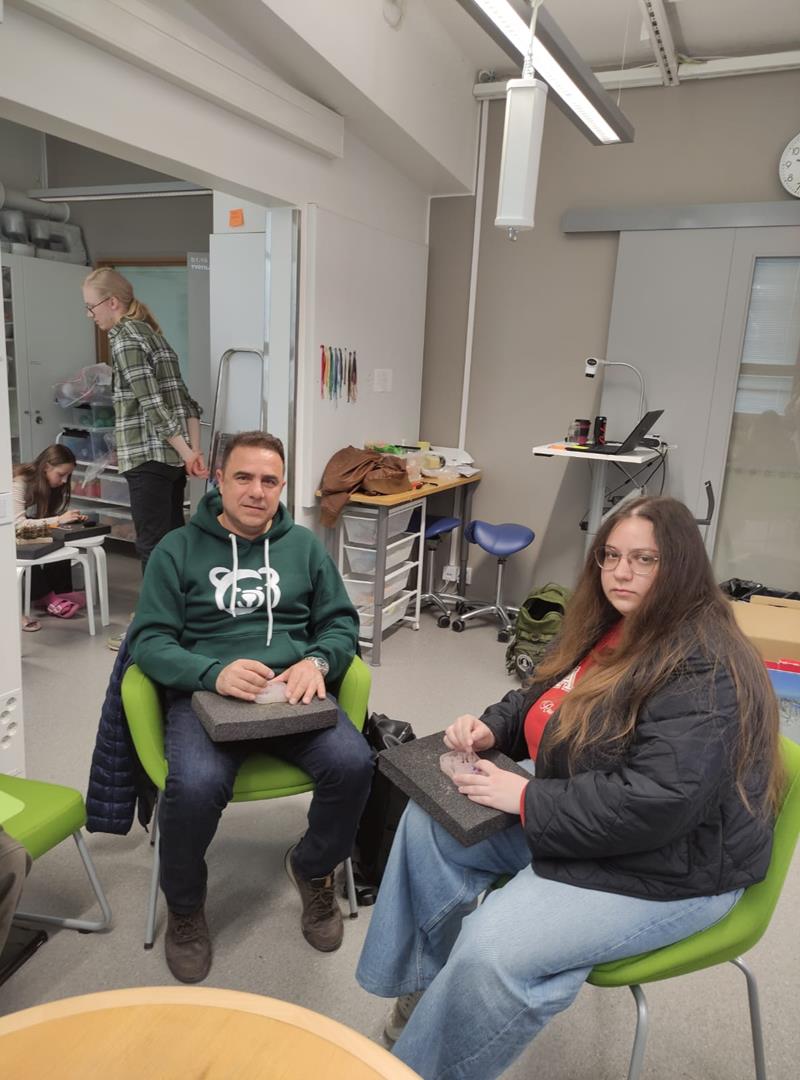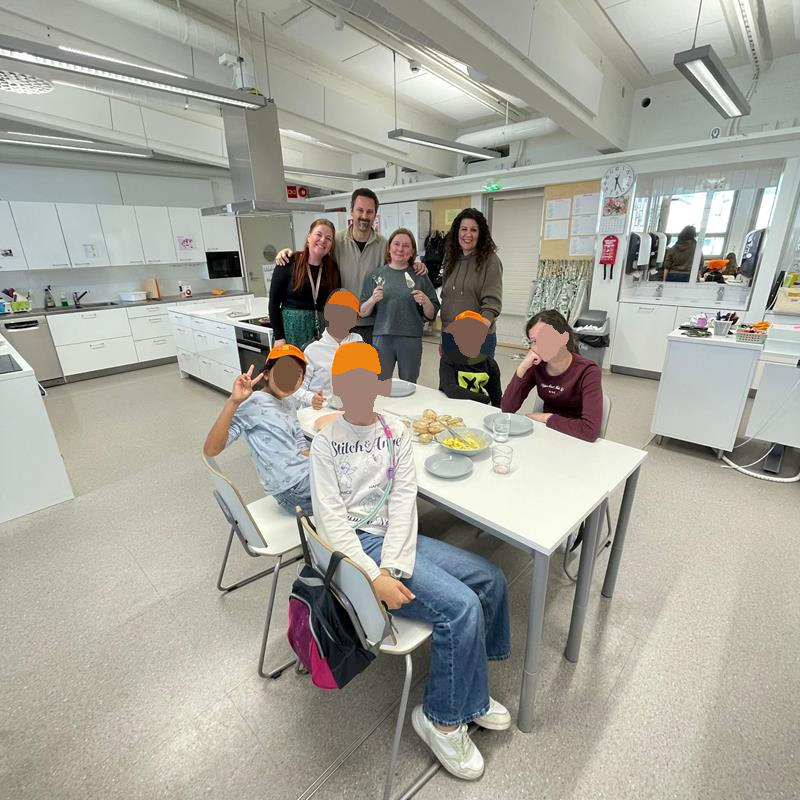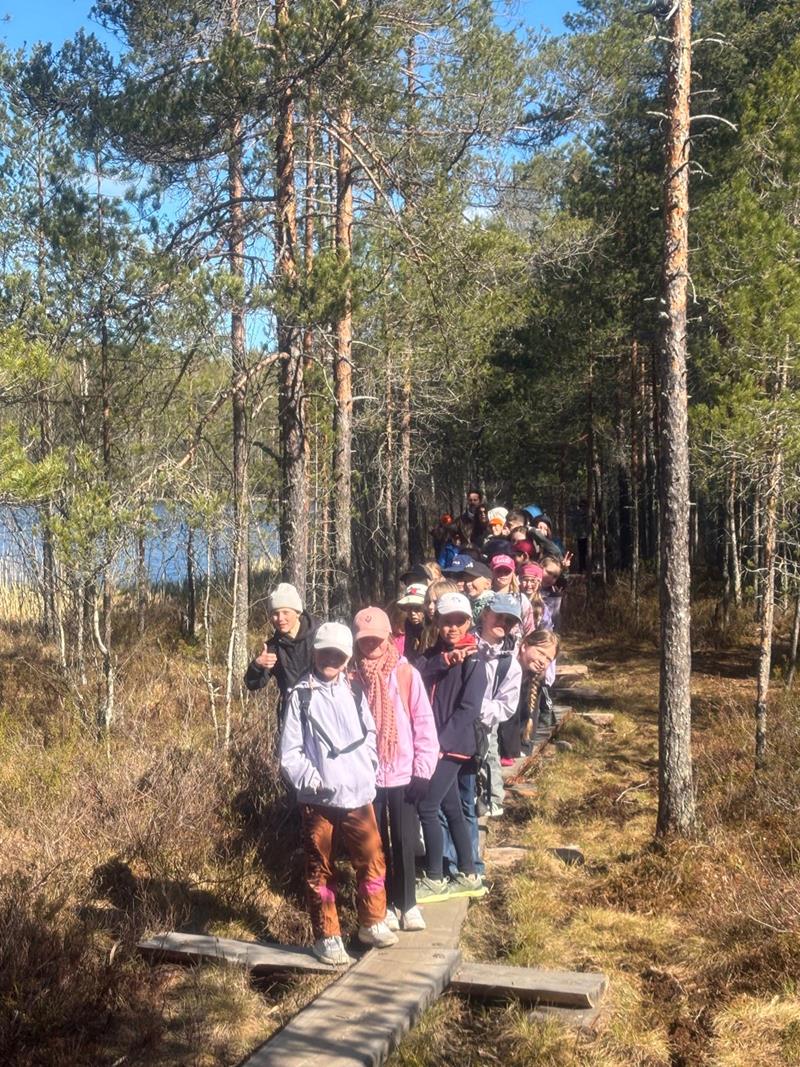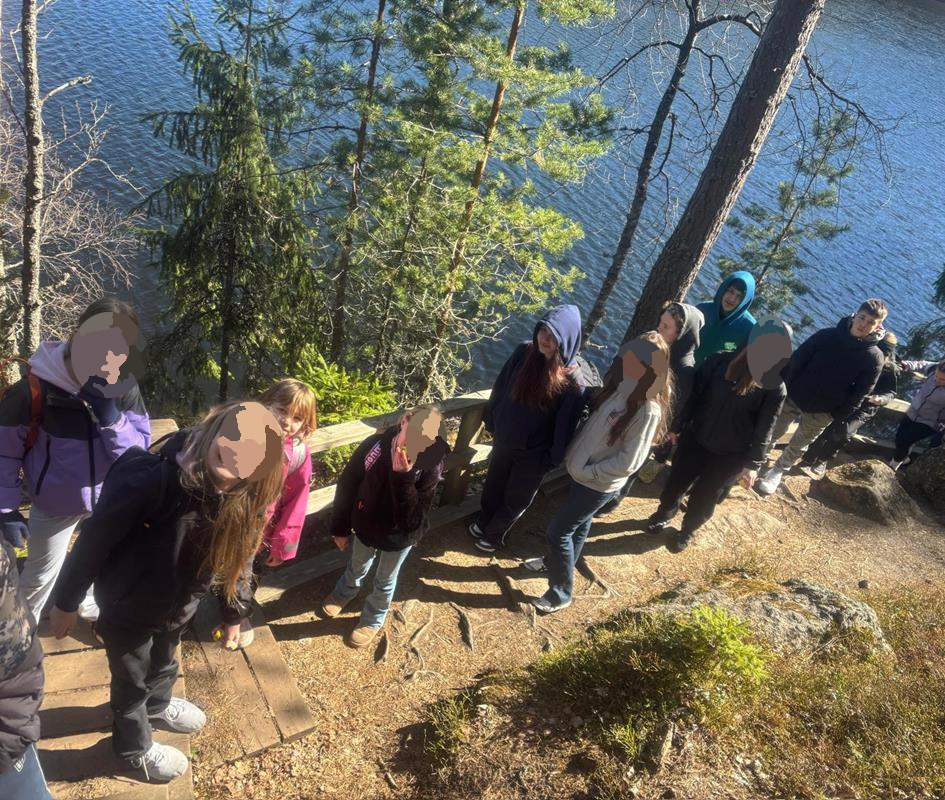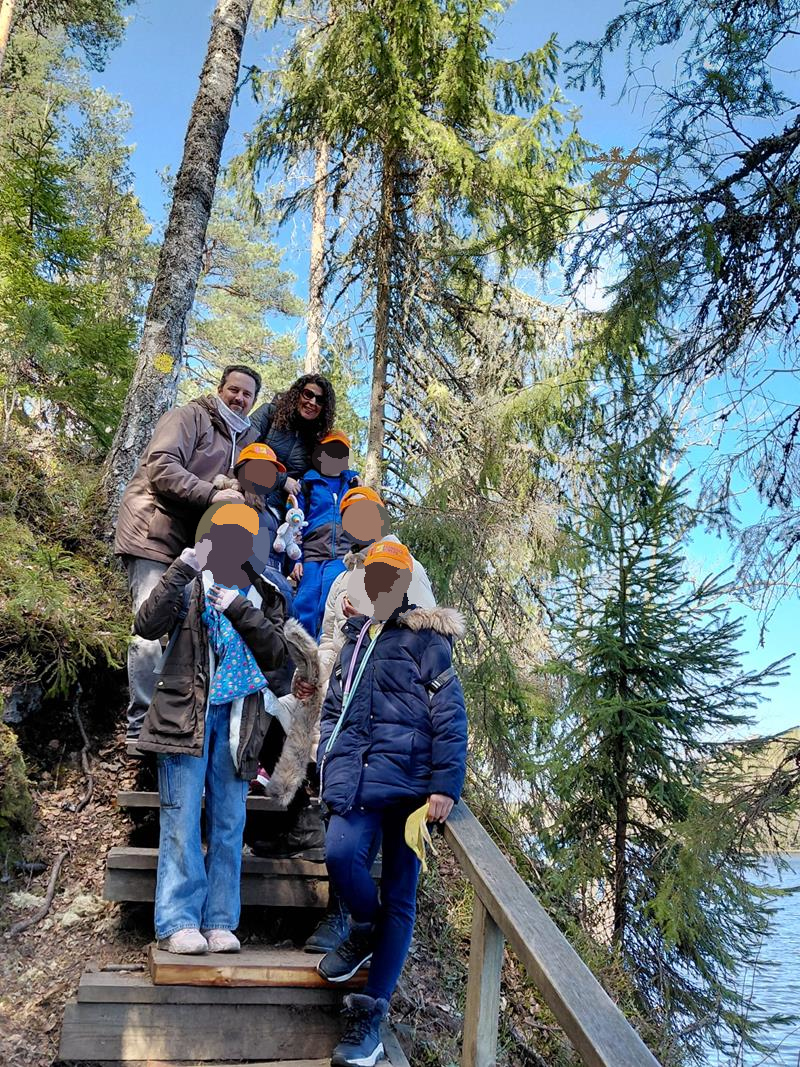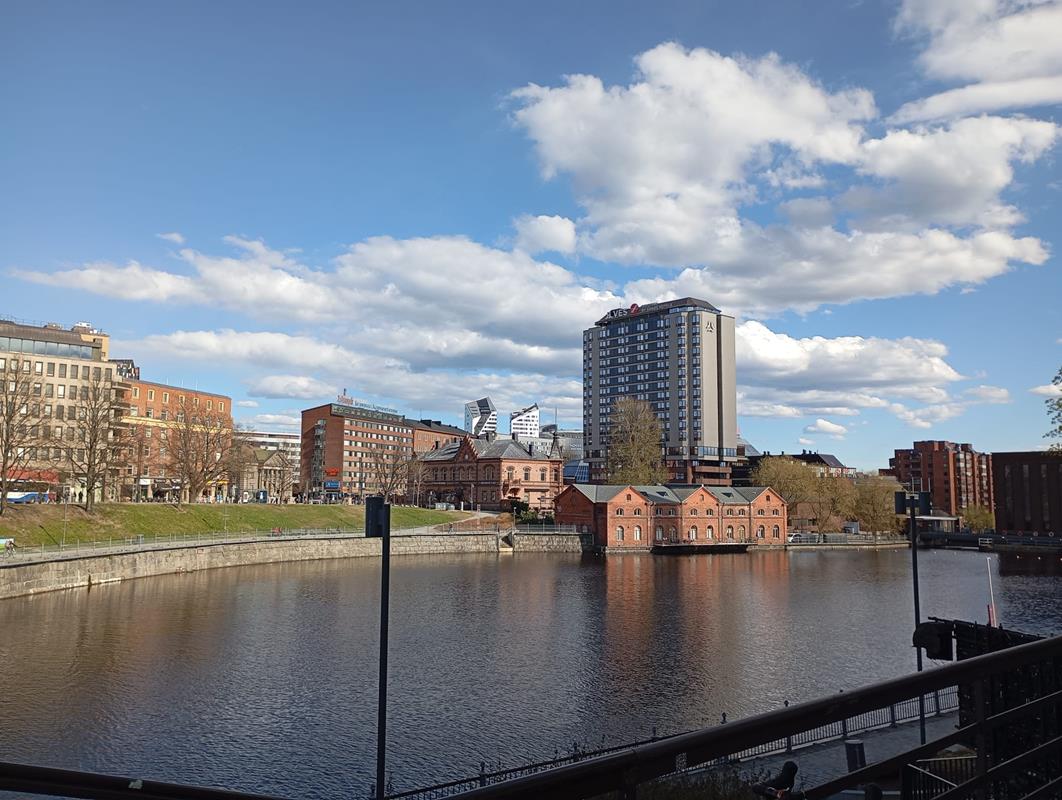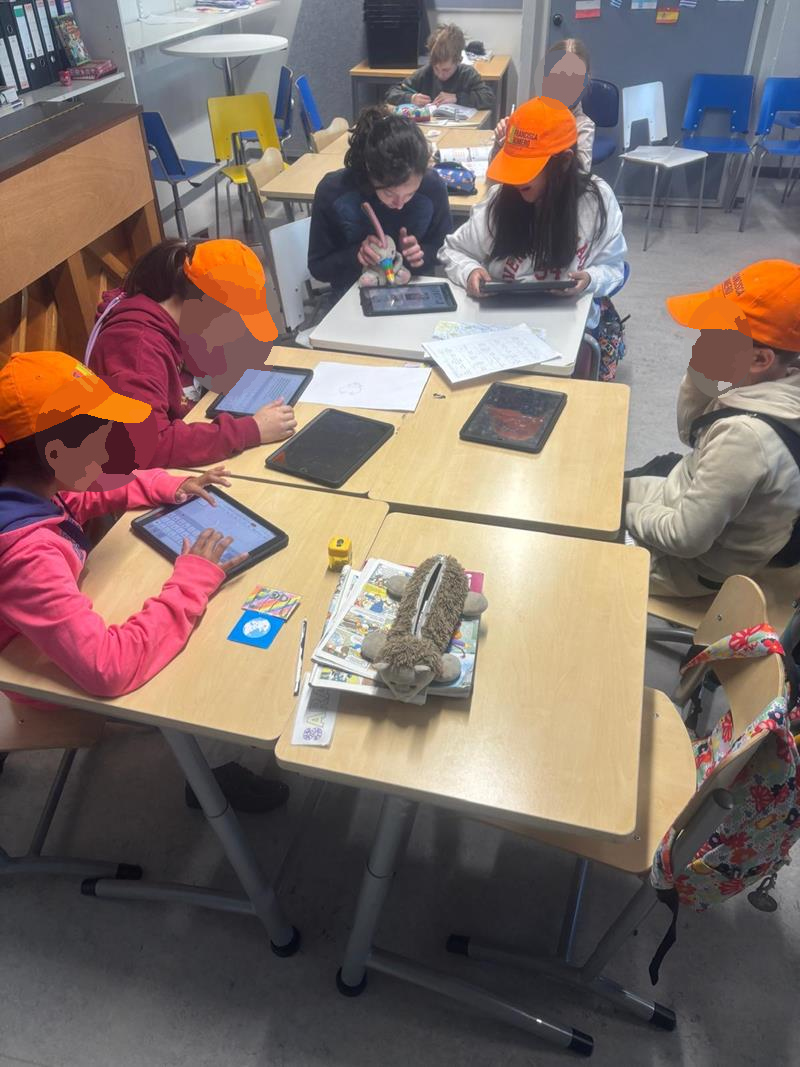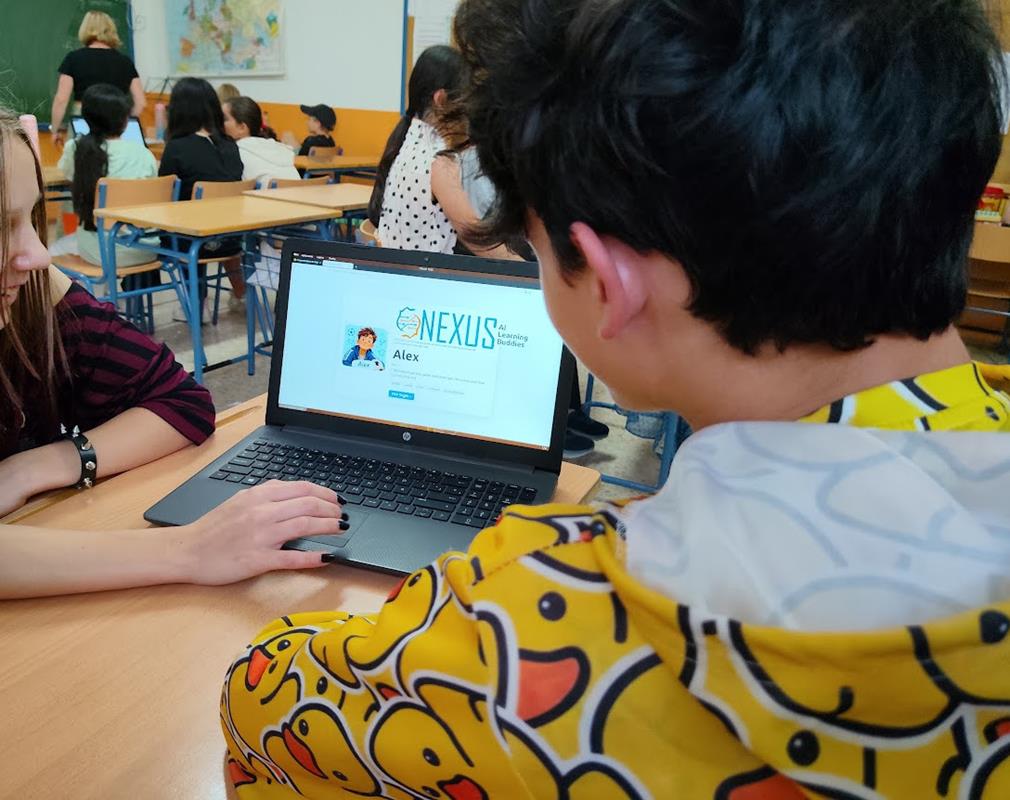
In May, students and educators from Finland, Spain, Poland and Greece came together in Tampere for a transnational learning experience focused on AI and Creativity. The activity was organised within the Erasmus+ project “From Interaction to Co-Creation: AI’s Role in the Classroom” (AICC), coordinated by NEXUS Innovation.
The AICC project brings together NEXUS Innovation with schools from Finland, Poland and Spain to explore how Artificial Intelligence can support creativity, inclusion and meaningful learning. Rather than approaching AI simply as another digital tool, the project investigates how students and teachers can use it critically and creatively in areas such as storytelling, design, problem-solving and classroom practice.
A European learning community in Tampere
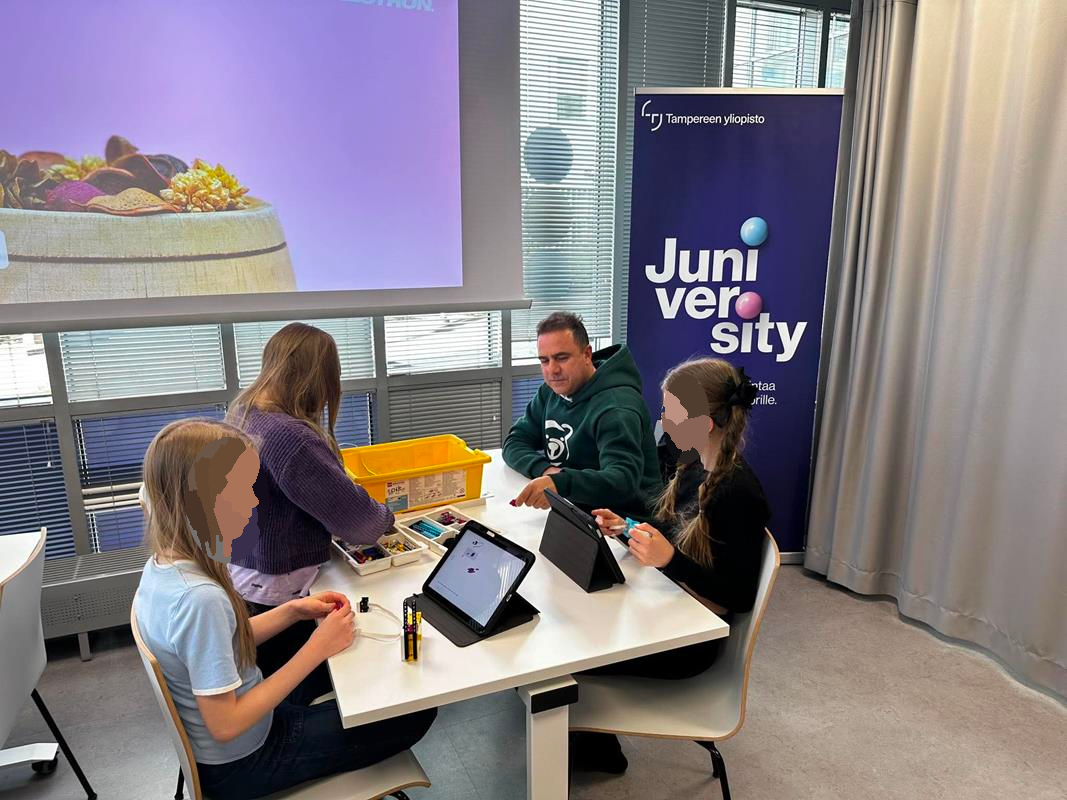
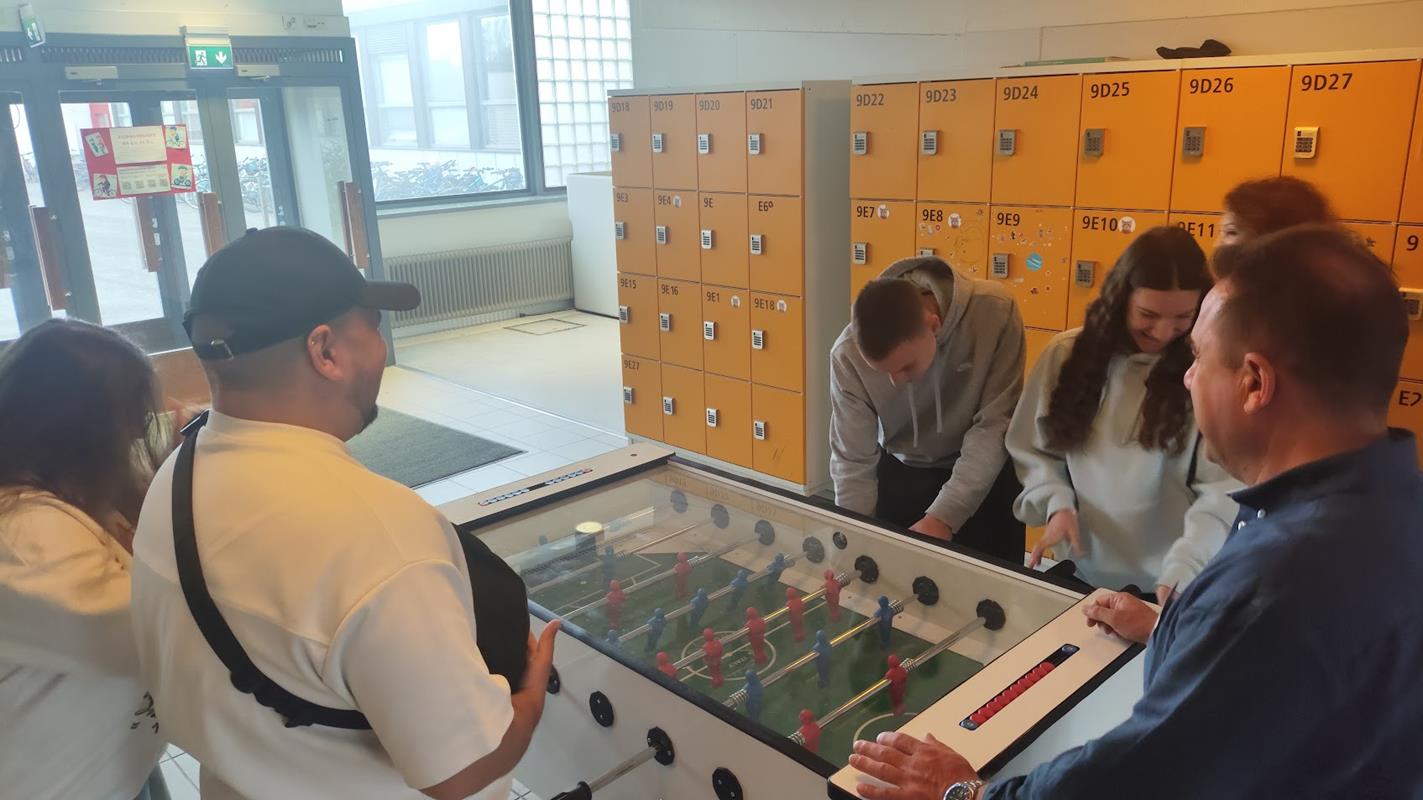
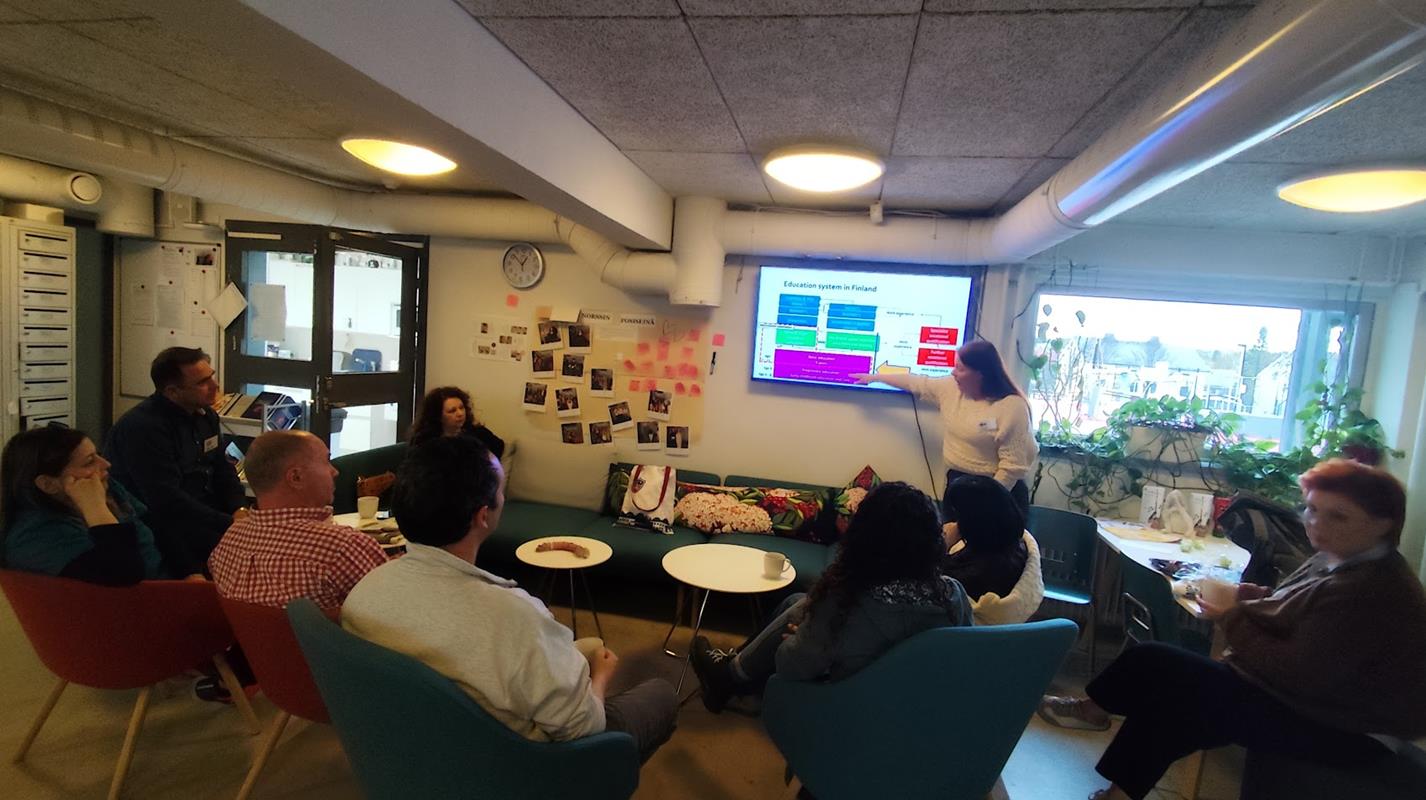
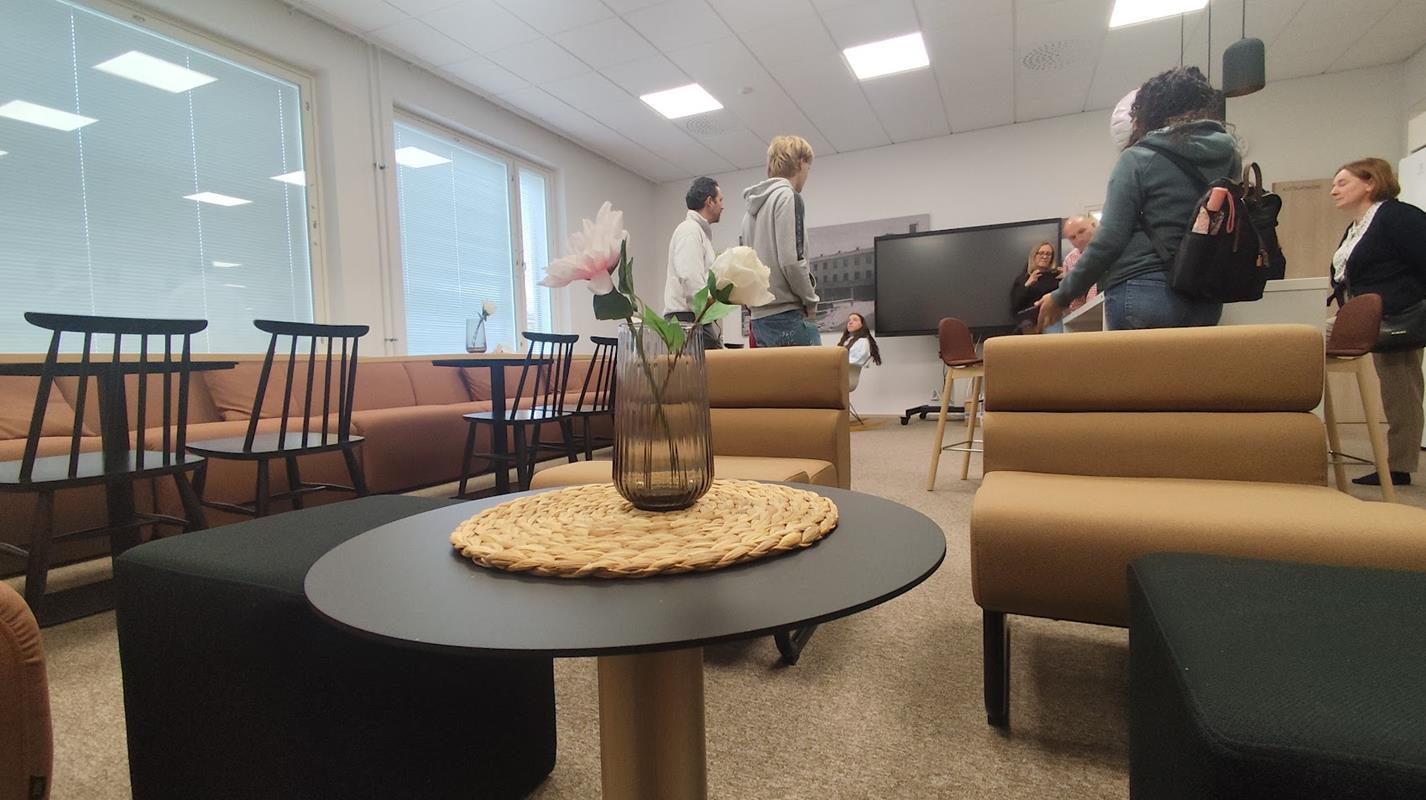
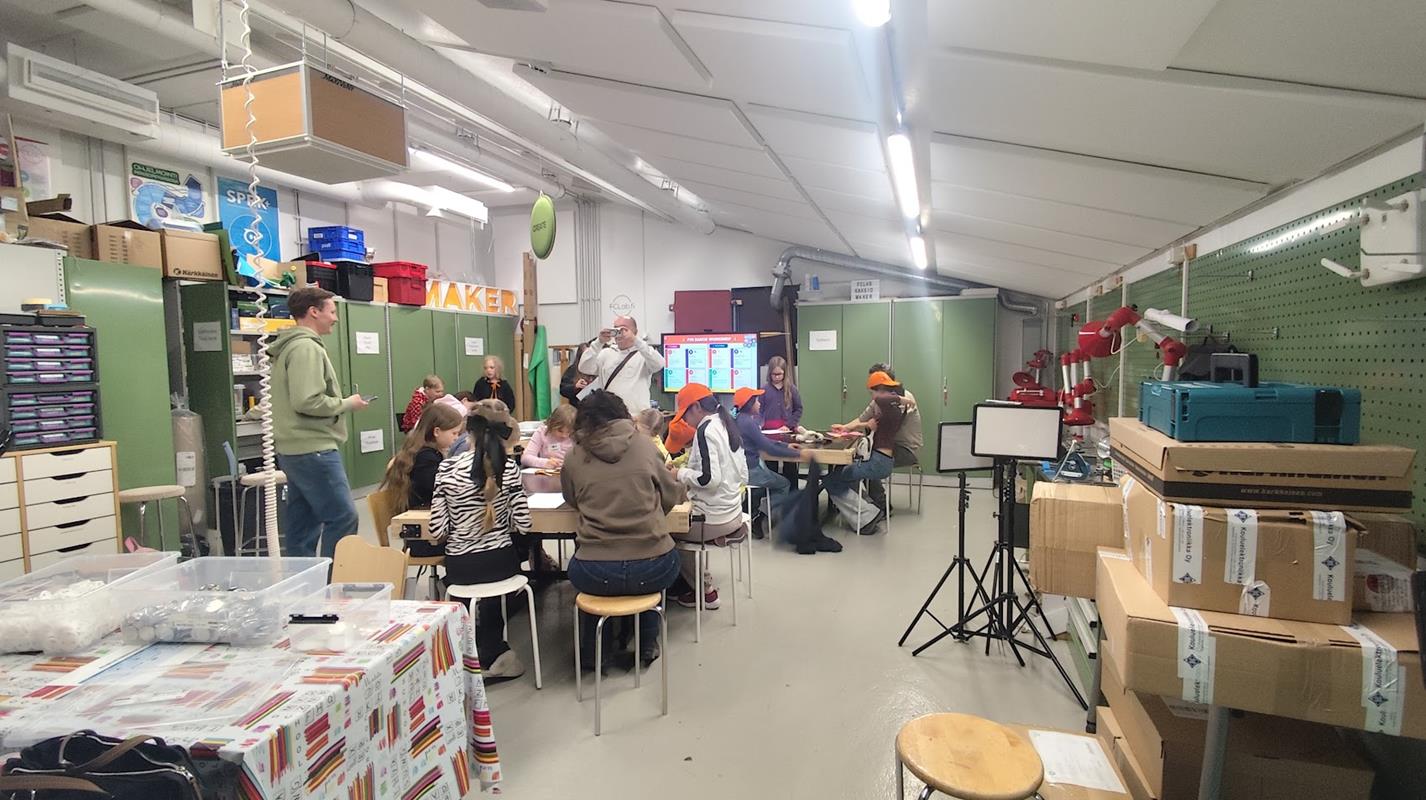
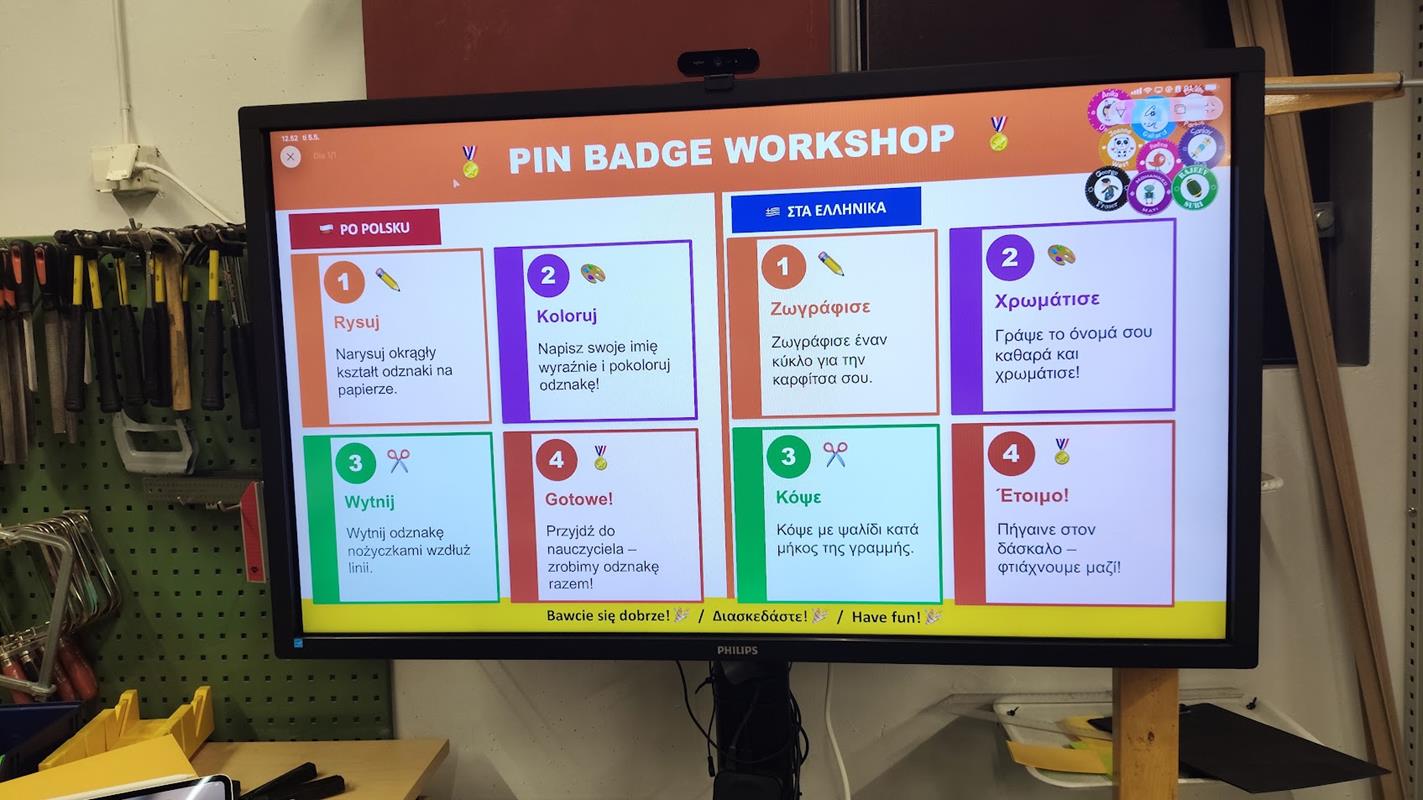
The Tampere mobility brought together a diverse group of students and educators from across the partnership. Five students and two accompanying teachers travelled from Spain, while five students and three teachers joined from Poland. NEXUS Innovation was represented by three of its members, who work as educators and learning designers.
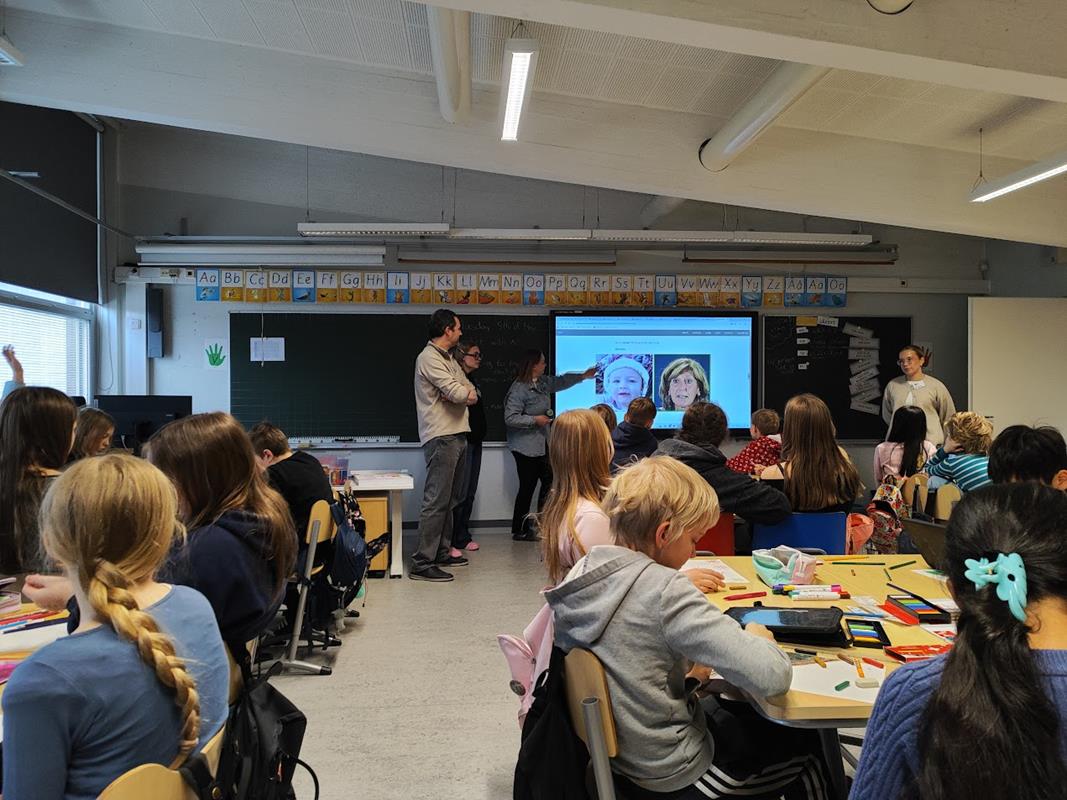
The Finnish host school involved six educators and approximately forty students in the activities, creating a rich environment in which visiting and local students could work, experiment and exchange ideas together.
This combination was particularly important for the project. AI in education is not only a topic for teacher professional development: students also need opportunities to explore what these technologies can do, question how they work and experience ways in which they can become part of their own creative processes.
AI as a tool for creativity
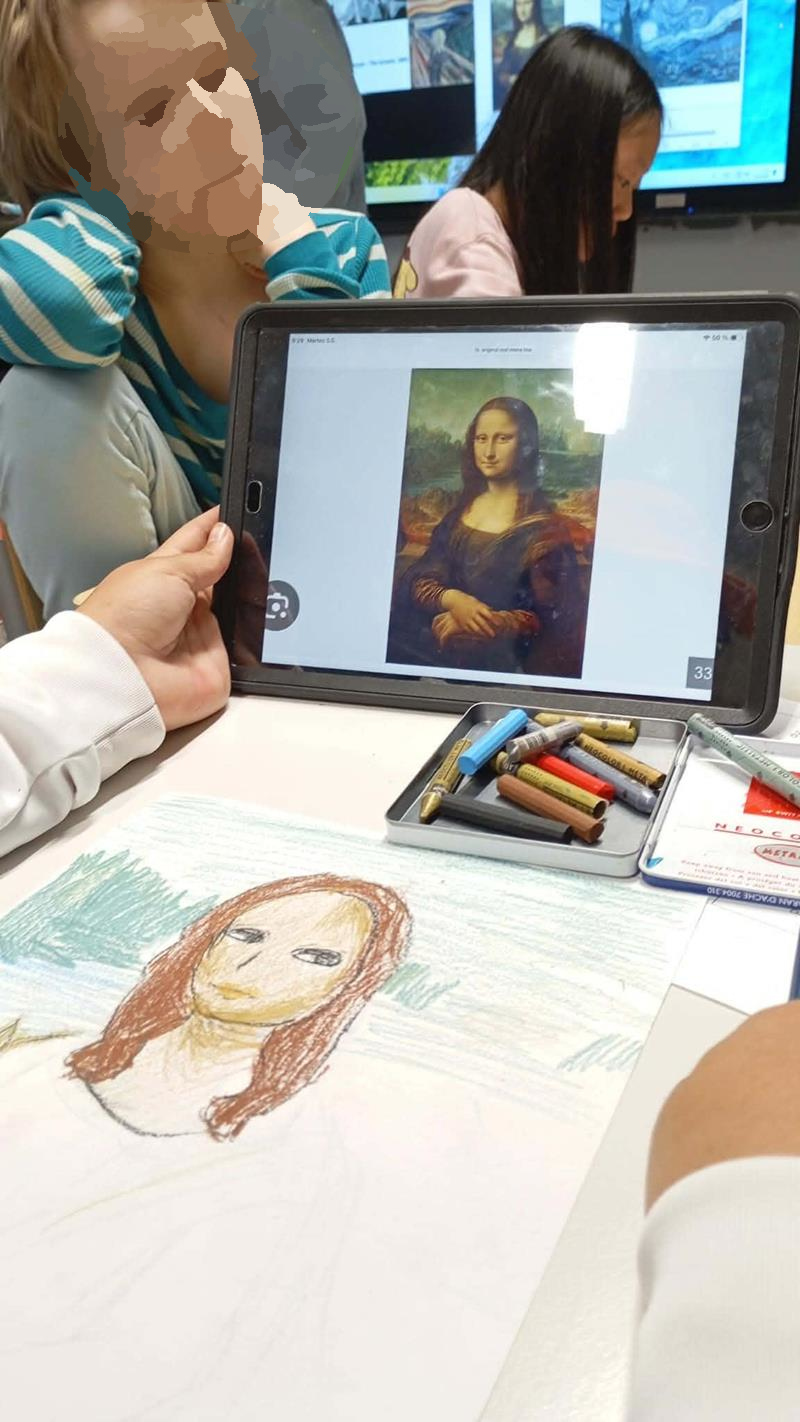
The central theme of the mobility was “AI and Creativity: AI in Art, Music and Design Thinking.”
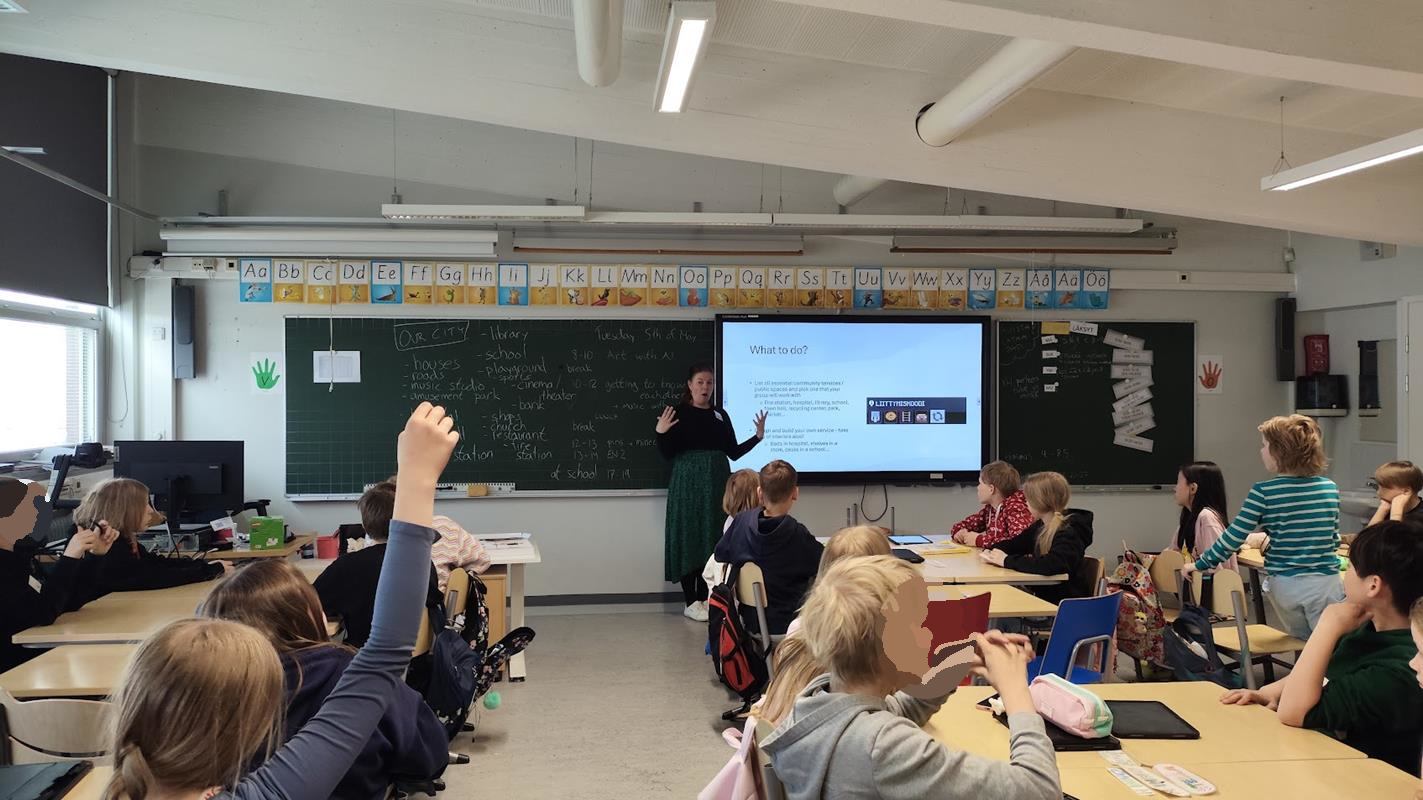
Most of the programme was designed and facilitated by the team of Tampereen yliopisto Normaalikoulu, the Finnish partner responsible for the AI and Creativity strand of the AICC project. Activities were designed for both students and educators, allowing the two groups to explore Artificial Intelligence from different but interconnected perspectives.
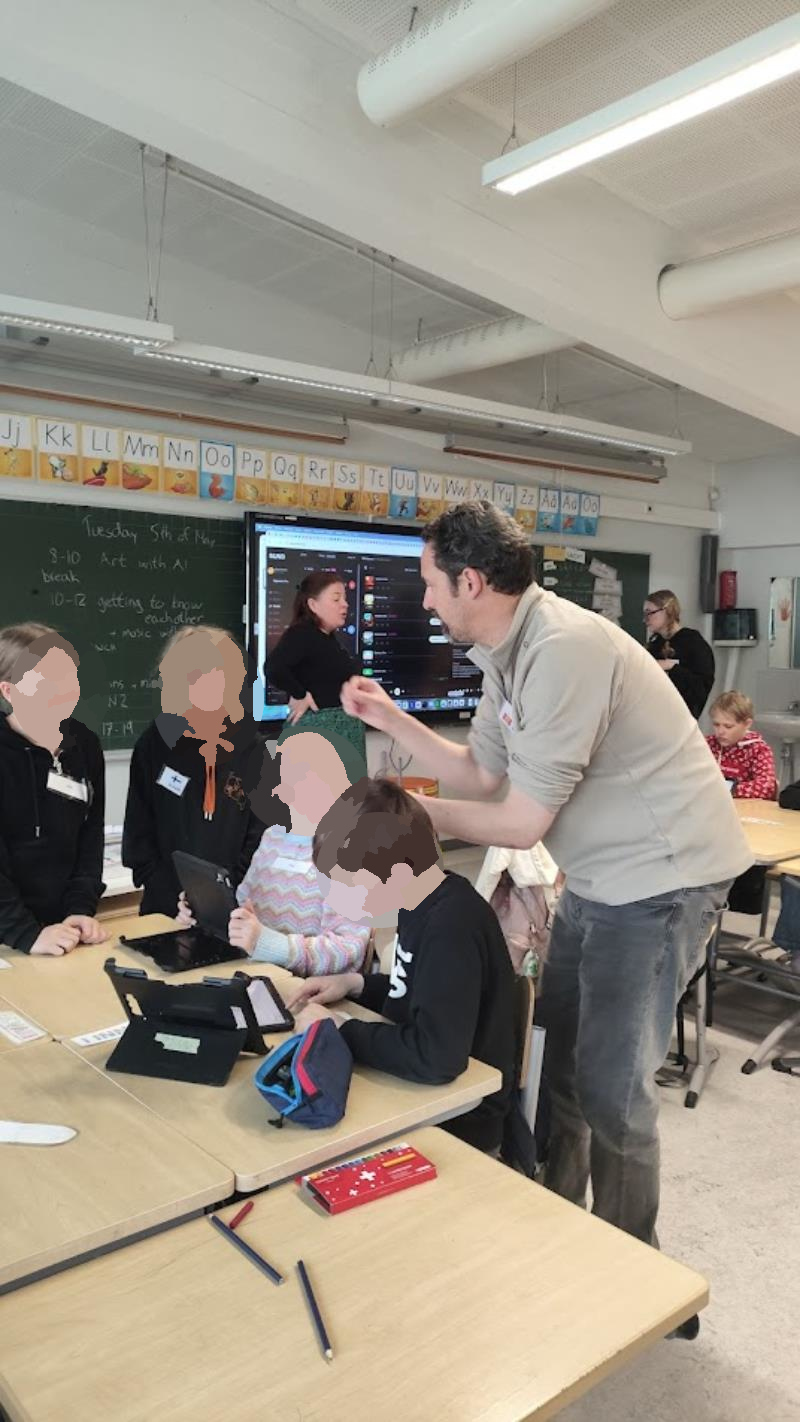
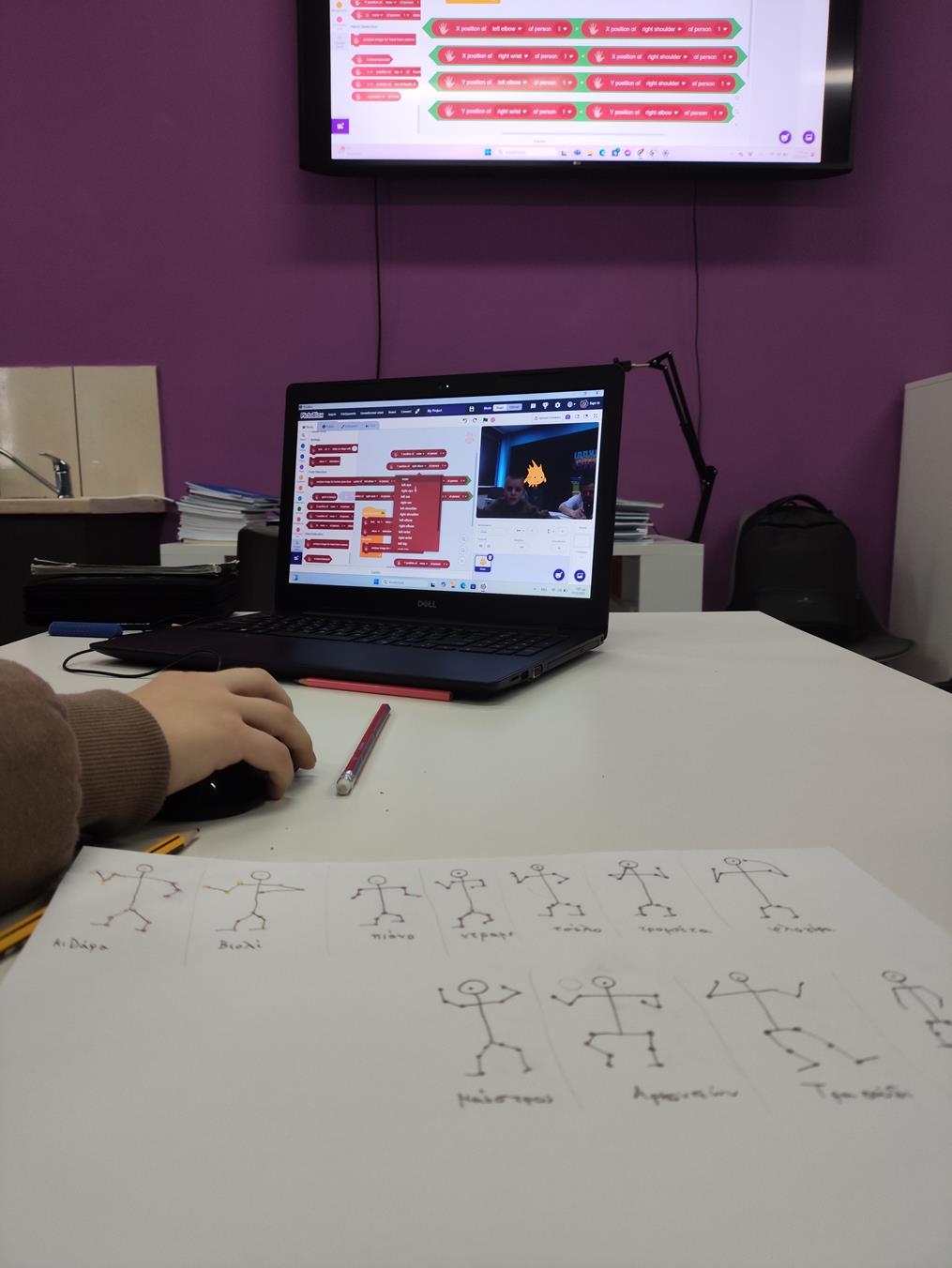
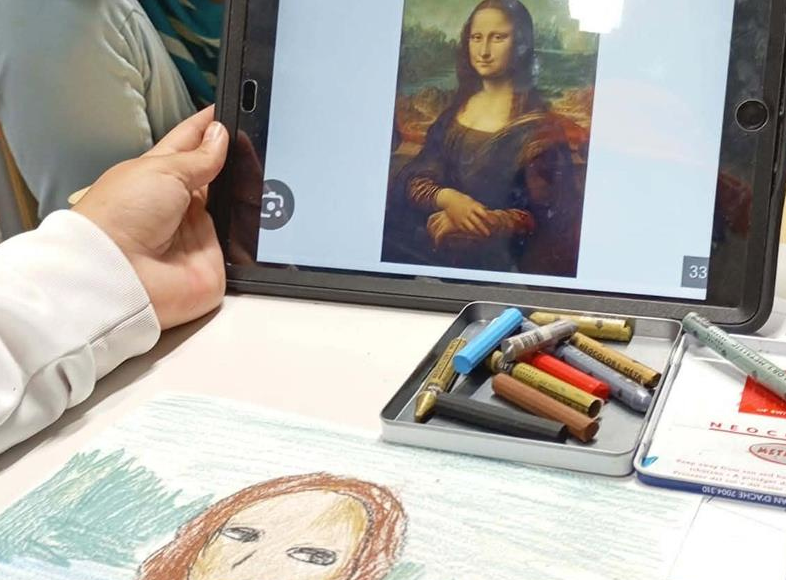
Throughout the mobility, participants experimented with ways in which AI can become part of creative processes in art, music and design thinking. The emphasis was not simply on producing something with an AI application. Instead, the activities encouraged participants to explore the relationship between human ideas, experimentation, creativity and the possibilities offered by emerging technologies.
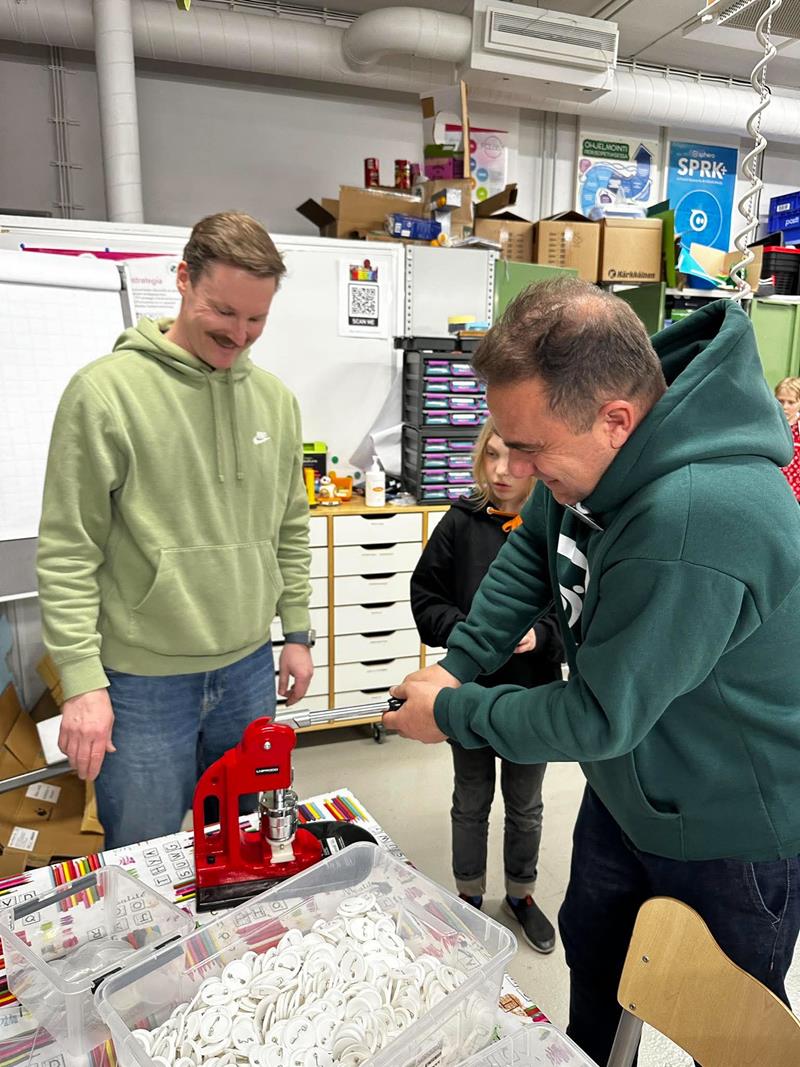
For the students, this meant learning through hands-on activities, collaboration and creative exploration. For educators, it created opportunities to observe how such experiences can be designed and facilitated in authentic classroom settings.
Seeing AI integration in everyday school practice
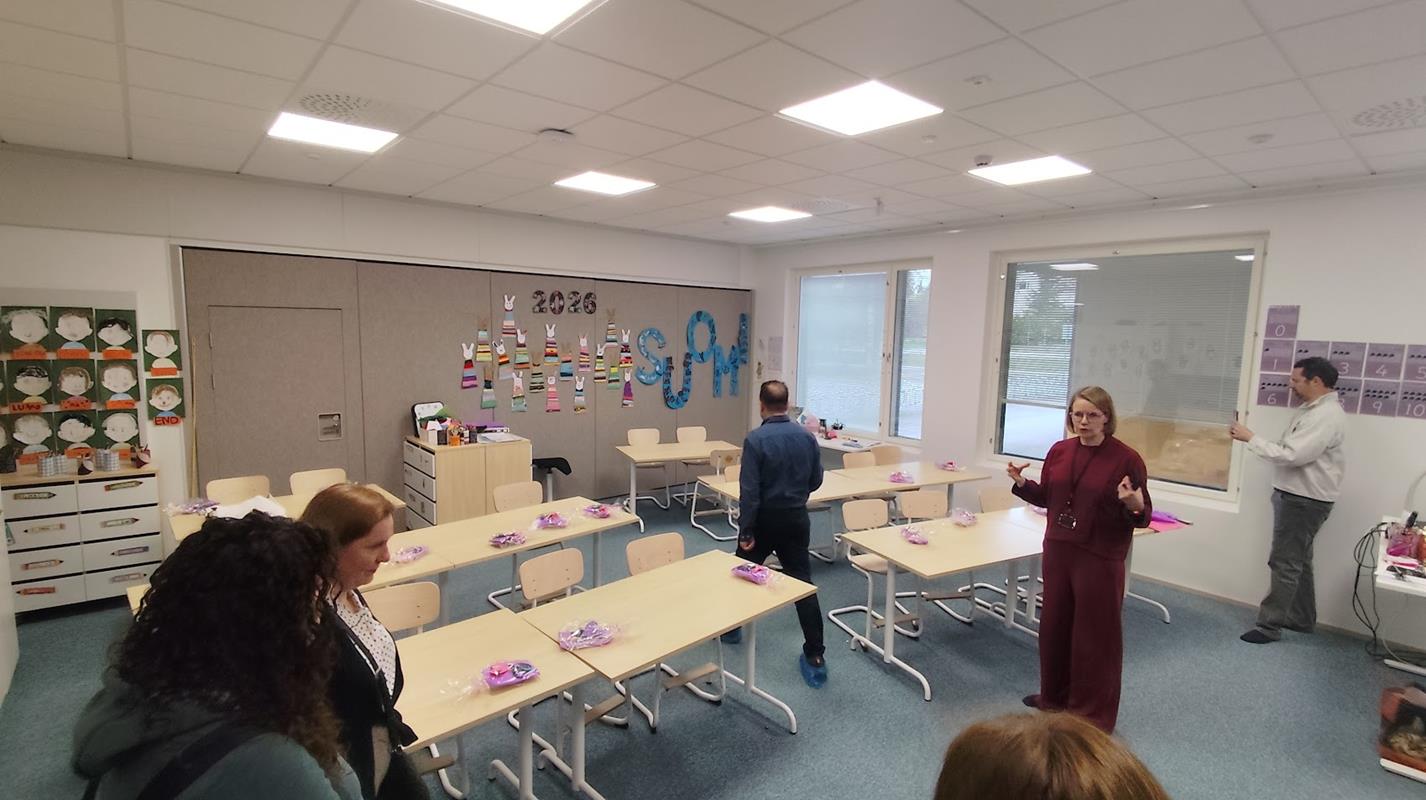
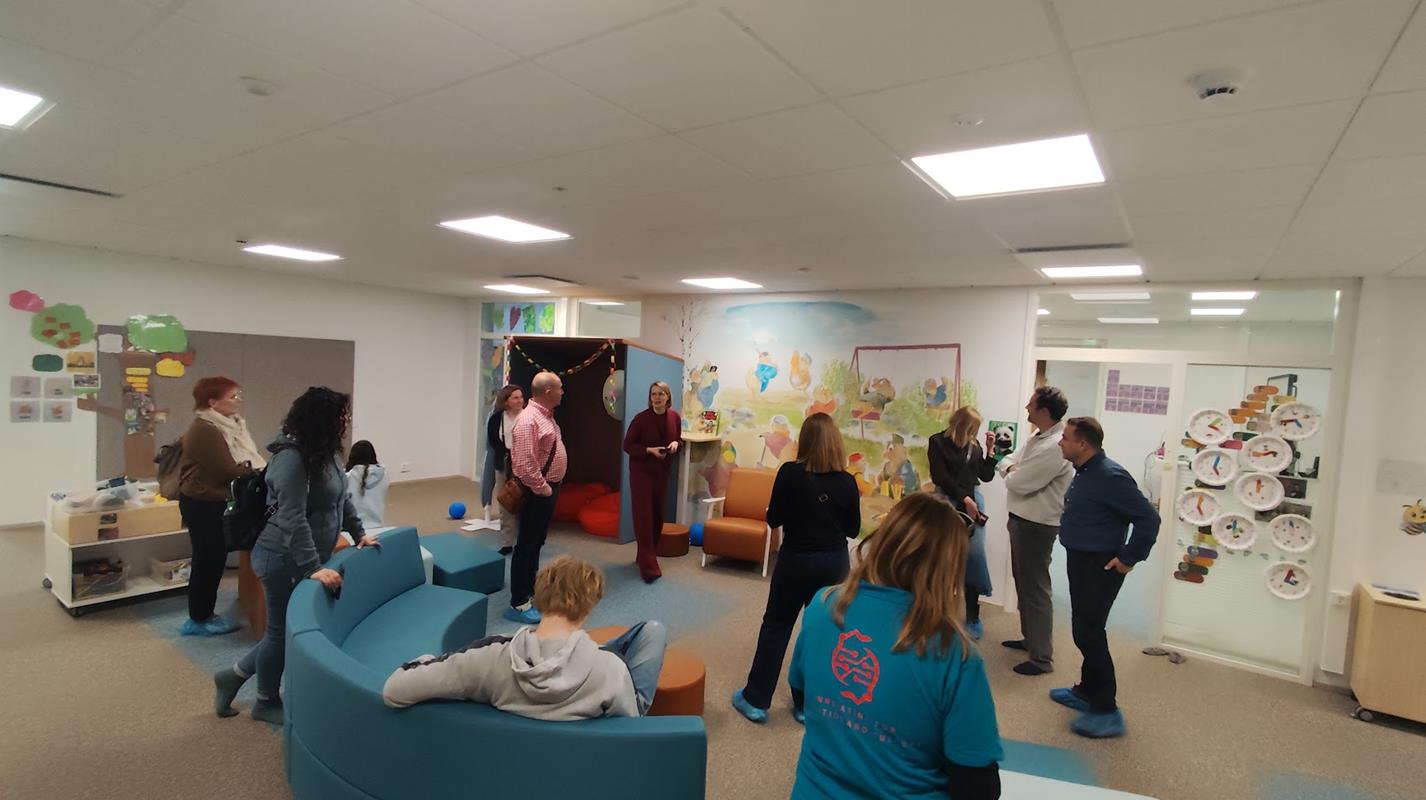
An equally valuable part of the visit was the opportunity to experience the Finnish school environment itself.
Beyond the organised workshops, participants were able to observe and discuss how the Tampere school is approaching Artificial Intelligence as part of its educational practice and broader school development. This provided an important opportunity for the visiting educators to move beyond discussions about individual AI tools and consider wider questions:
How can AI become meaningfully embedded in everyday teaching and learning? How can schools develop practices that support experimentation while maintaining a critical and responsible approach? And how does the role of the teacher change when AI becomes increasingly present in the learning environment?
These discussions and observations offered valuable input for the next stages of the AICC project and for the participating organisations’ own work on AI literacy and educational innovation.
From interaction to co-creation
The Tampere experience reflected one of the core ideas behind AICC: moving from simply interacting with Artificial Intelligence towards using it as part of processes of exploration, dialogue and co-creation.
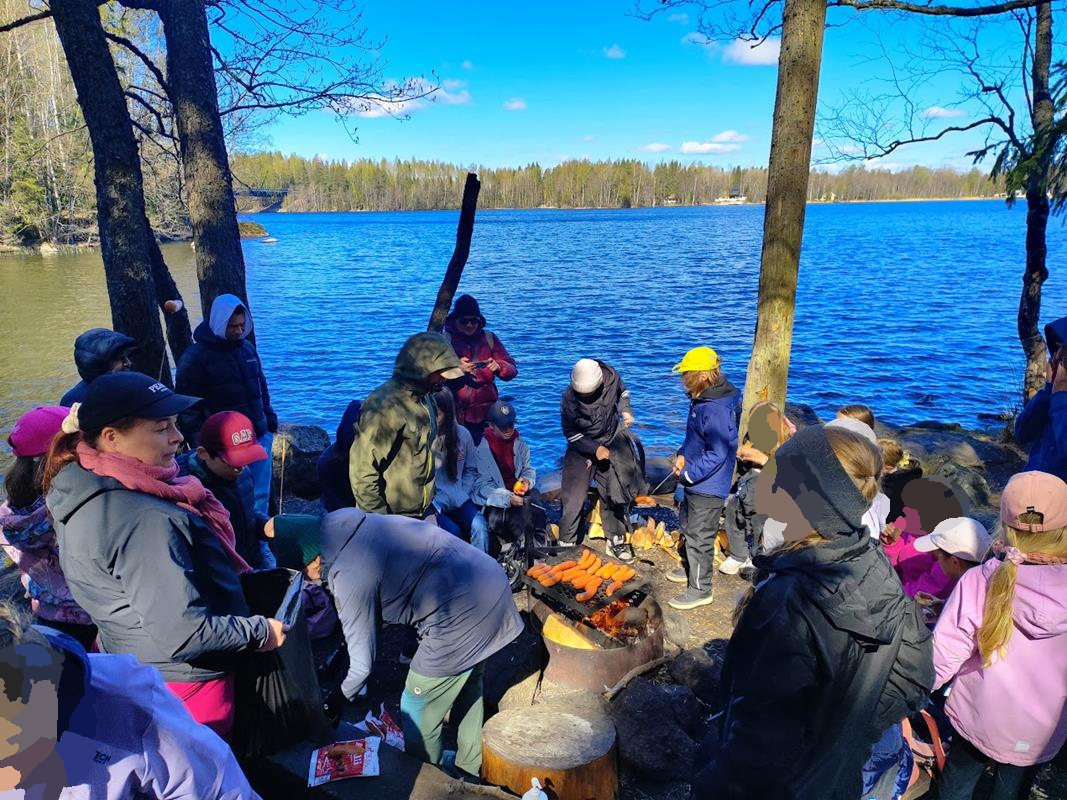
Bringing students and educators from different educational systems into the same learning environment also gave this idea a strong European dimension. Participants were not only experimenting with AI; they were exchanging perspectives, comparing educational practices and learning from one another.
For NEXUS Innovation, the mobility also contributed to our continuing exploration of how AI, creativity and participatory learning design can be combined to create meaningful learning experiences for both young people and educators.
The ideas, practices and experiences developed through the Tampere mobility will feed into the wider work of the AICC partnership, including the development of educational resources and the project’s AI and Creativity Toolkit